Local context
Start with your San Francisco property.
Plan the route from truck to front door, whether you’re moving up a hillside staircase, into a downtown lift building or across the bay. Compare movers and build your own private itinerary.
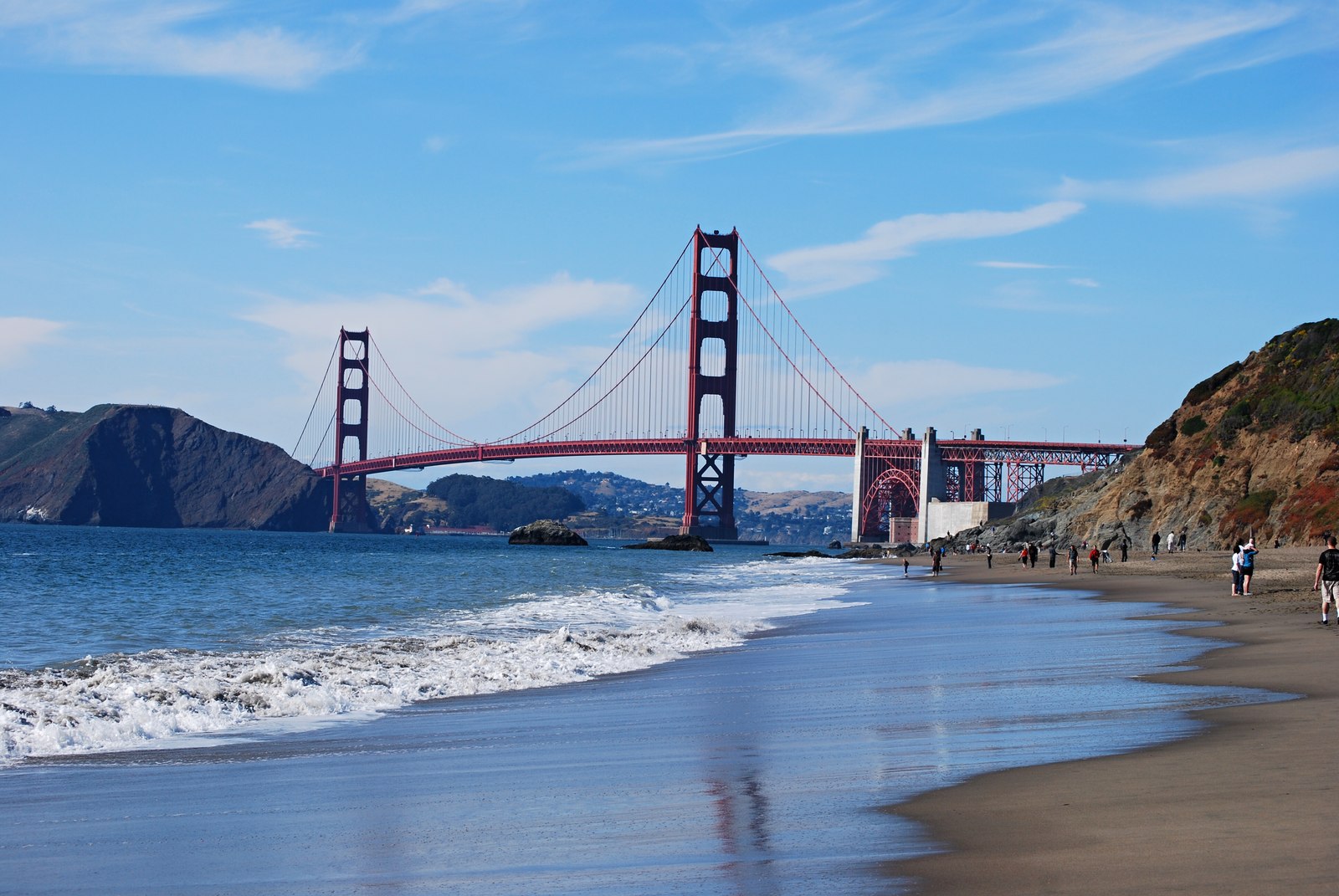
Start with your San Francisco property.
Use the same inventory and access facts.
No enquiry or mover routing is active.
Print, save, copy or restart in your browser.
Explore San Francisco moving services, from apartment moves and packing to specialist items, with clear questions for an independent mover.
Plan moves across San Francisco neighborhoods with address-specific access checks and the correct municipal contact.
Compare San Francisco moving proposals using inventory, loading access, packing scope and delivery terms instead of unsupported price averages.
Browse practical San Francisco moving guides for packing, building access, specialist belongings, estimates and move-day preparation.
Find practical answers for a San Francisco move: loading access, estimates, building paperwork, weather, utilities and a private itinerary.
Build your own browser-only preparation report.
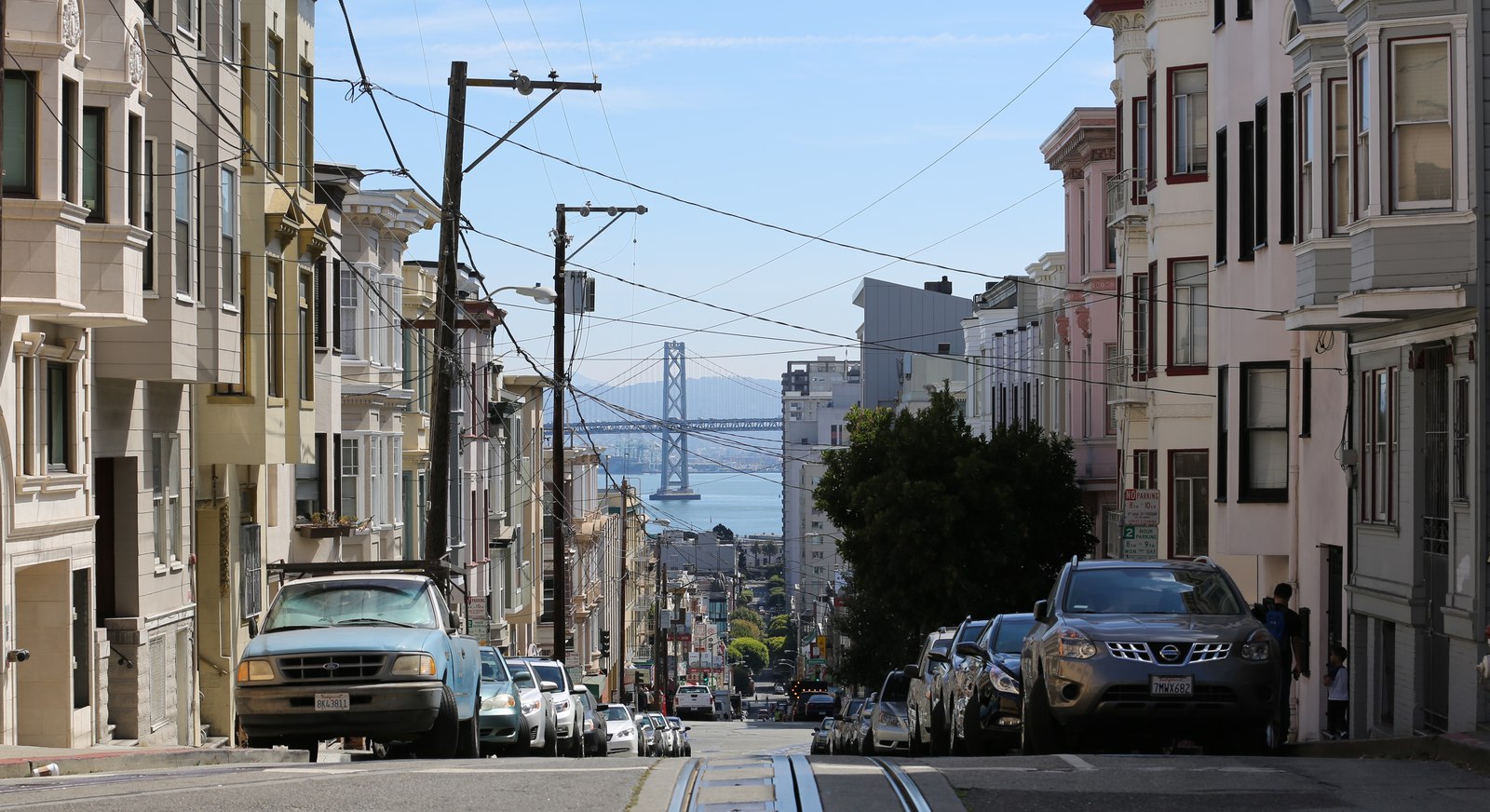
On a steep block, the front door can be one staircase above the sidewalk and the bedrooms another flight above that. Victorian and Edwardian flats often put the longest carry between the truck and the first usable landing. Walk that route with a tape measure before moving day. Measure the narrowest doorway, check whether the stair turns tightly at the top, and tell the crew where they can set a piece down. A sofa that fits the living room can still get stuck on the turn.
Walk the block in both directions. An approach from uphill can leave room to maneuver that you missed when you arrived from below. Send the mover photos of the approach, entrance and stairs before they quote. If either building has an elevator, confirm which entrance serves it, how to reserve it and whether a large item will fit with the doors closed.
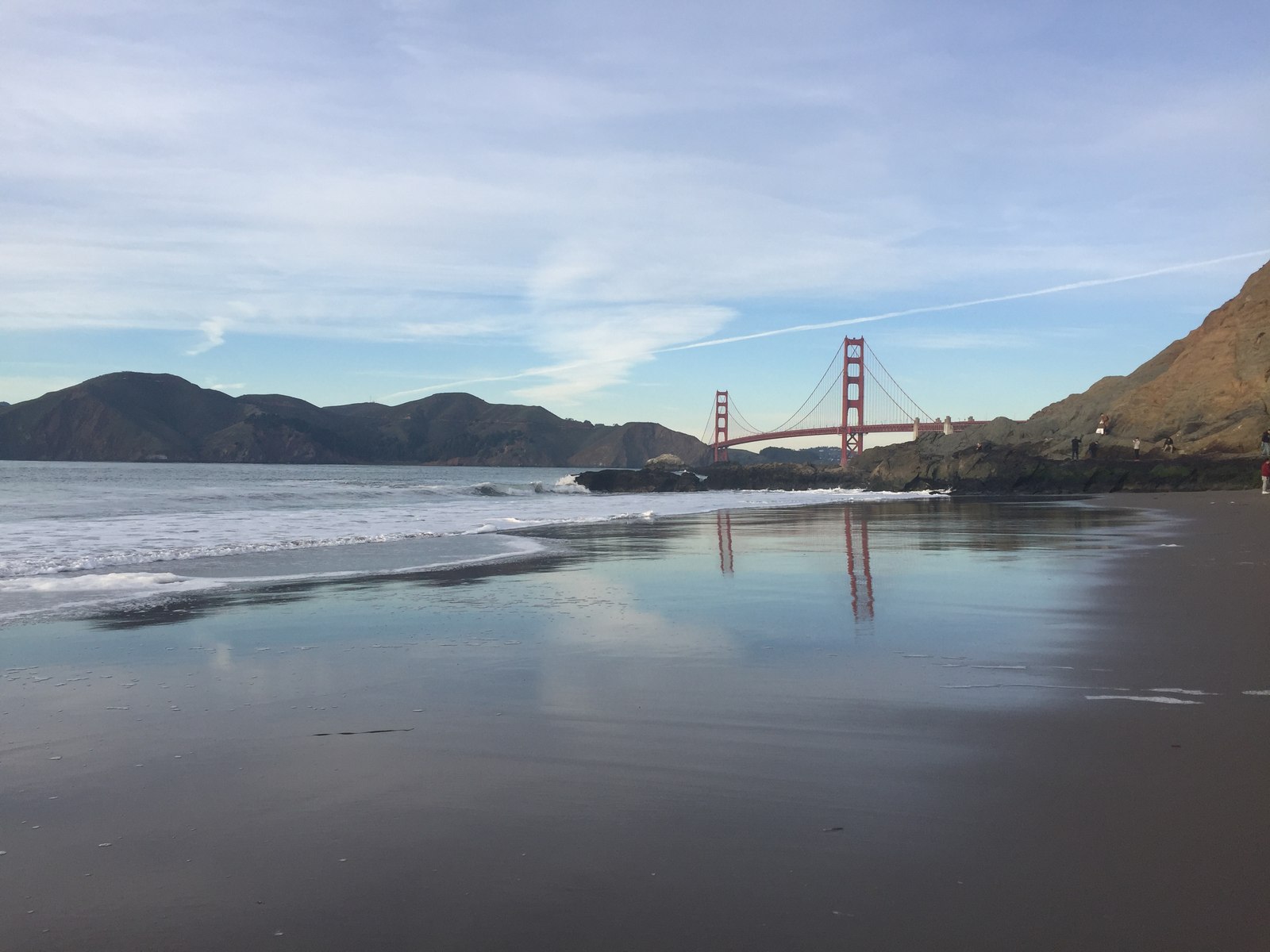
From the Presidio's trails to the promenade along the Embarcadero, the water gives San Francisco much of its public life. It also changes how a day outdoors feels. A calm morning on a sheltered street can turn into a windy unloading job near the coast. Fog and wind can vary across the city, so check the forecast for both addresses and plan for the conditions at each end.
At an exposed entrance, keep paper labels and packing materials inside until you need them. Stage boxes under cover and keep a clear route through the lobby. If your move crosses the bay, plan the drive and its arrival window separately from the loading time. A delay on the road can otherwise consume the elevator slot you booked at the destination.
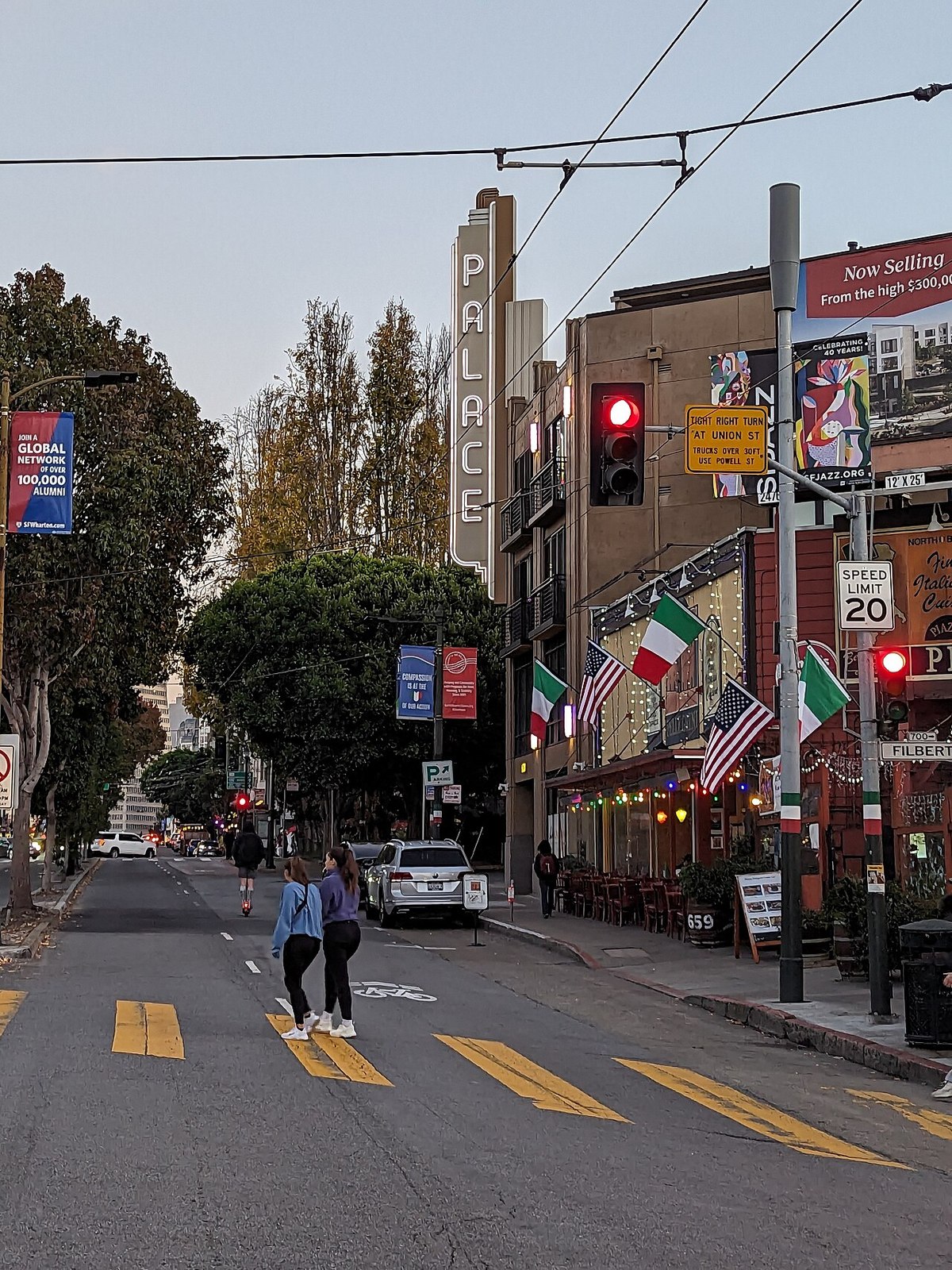
The streets around Portsmouth Square and Grant Avenue tell part of Chinatown's story through gathering places, shops and apartment entrances that share the same blocks. North Beach has its own Italian American and literary history. The Mission's murals and Latino cultural institutions, the Castro's LGBTQ history and the Richmond's neighborhood corridors are different threads in the same city. If you're choosing where to live, try an ordinary errand there on foot at the time you'd normally make it.
For the move itself, use the exact building entrance as your reference. Check how people reach the door when storefronts are busy, where a truck could approach and whether there is a step-free route you can use. Ask the building manager which entrance crews should use and how to keep the public sidewalk and neighboring doors clear.
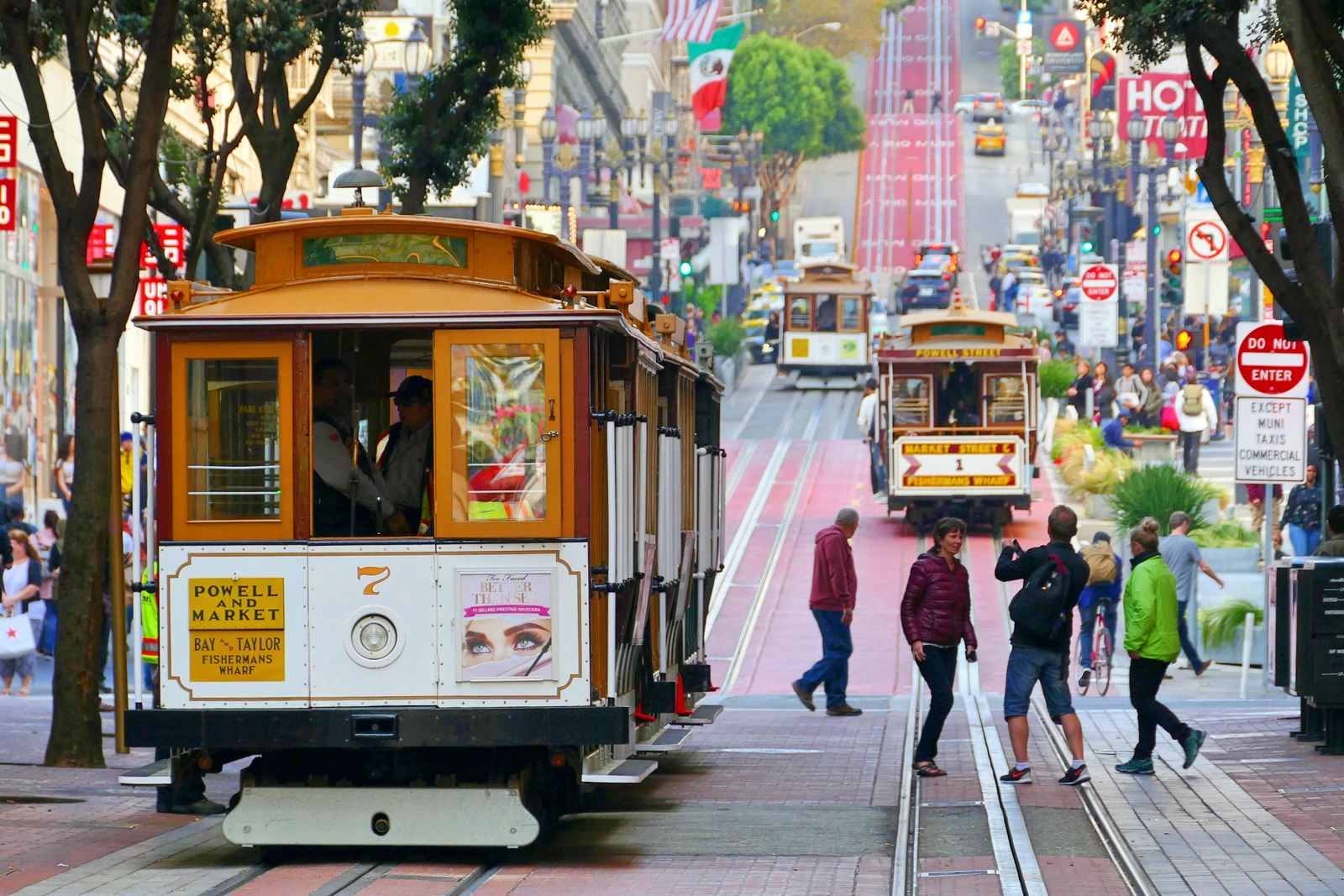
The cable cars make the grade of the city visible. A truck driver sees it differently, through a tight turn, a short usable stretch of curb and traffic that has to keep moving. Give the driver the street and cross street, the direction of approach and a realistic distance from the likely loading point to the door.
Read the posted curb signs at both addresses before the move and check the city's current temporary signage process if you need a reserved space. Ask the mover what happens if the intended space is occupied. Agree on a backup before the crew arrives, including what a longer carry or a smaller shuttle vehicle would do to the quote.
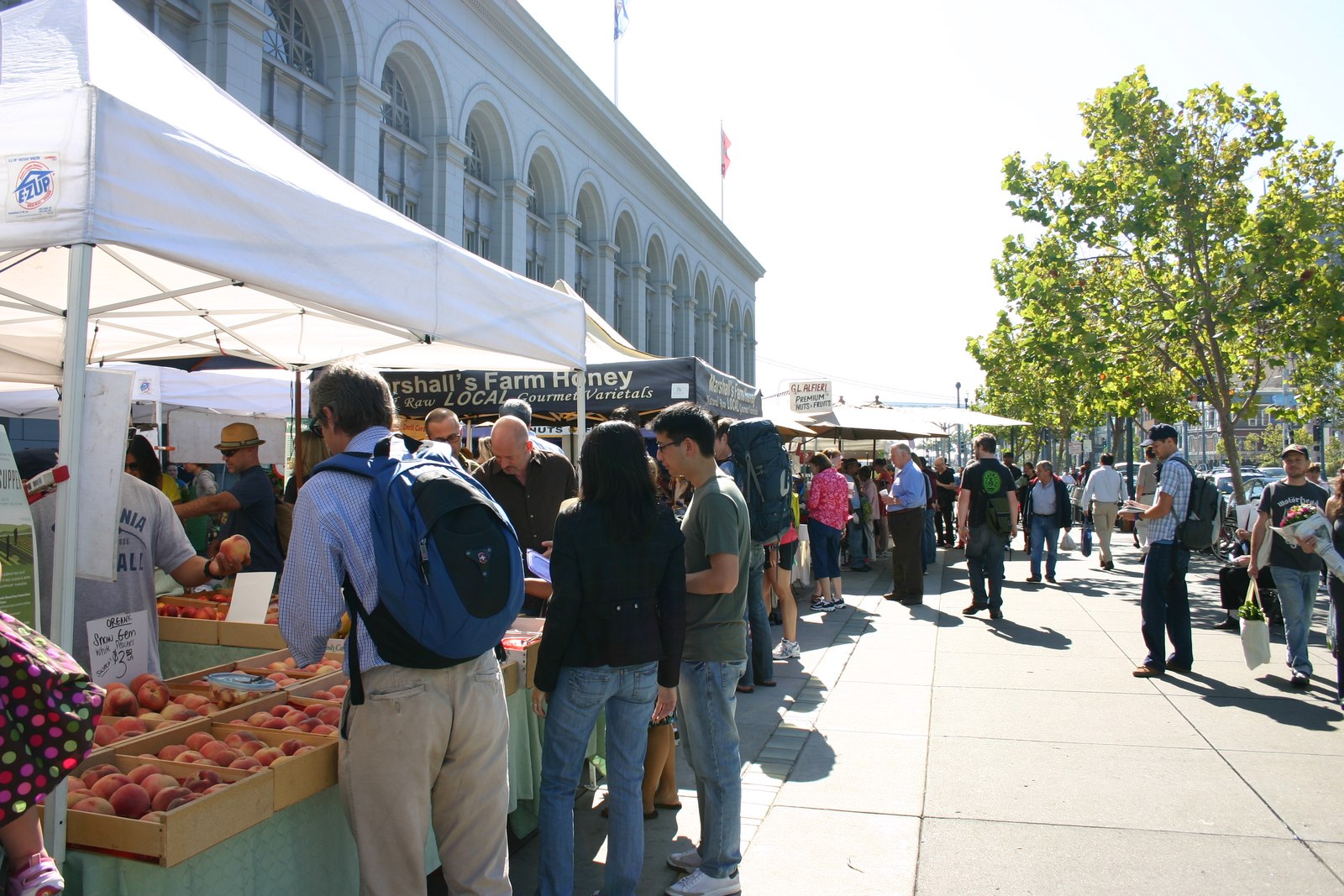
The Ferry Building and neighborhood markets can be a good introduction to the city, but the first weekend is also a chance to learn the everyday routes. Find a grocery shop you can reach carrying two bags, a pharmacy you can get to after work and a park or museum you can visit without having to plan the whole day around it.
Pack for that weekend before the truck leaves. Keep medicine, chargers, bedding, a change of clothes and a few kitchen essentials in clearly marked boxes you can reach first. Set aside keys and building contacts where you can get to them during unloading. Keep exit routes clear while you unpack, and ask about building rules before anchoring tall furniture.
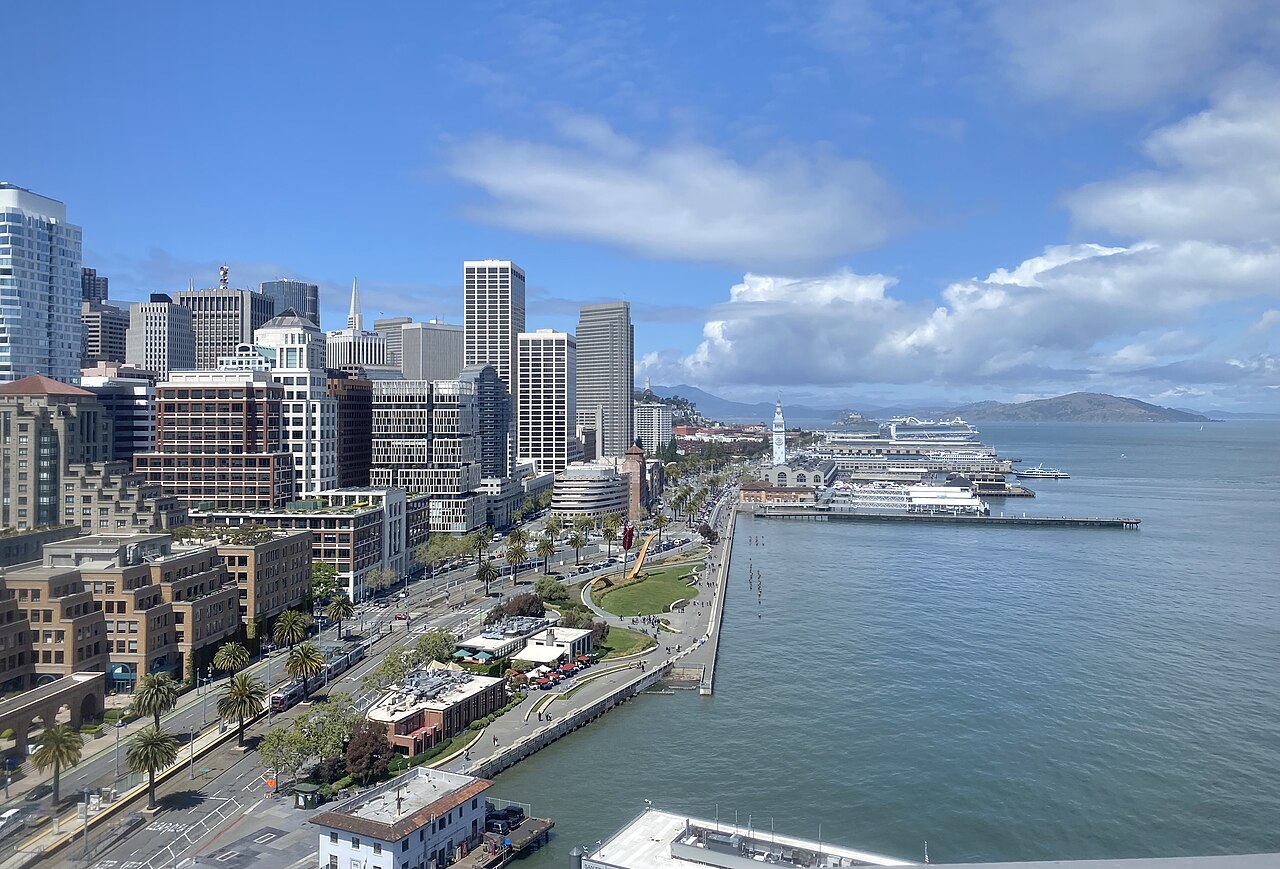
A new role, a university program or the chance to start a business may bring you to the Bay Area. Choosing where to live takes a different kind of comparison. Try the whole weekday trip from the apartment door to your destination, including the walk to transit, any transfers and the way home in the evening. If you're considering a home across the bay, do the same for that trip.
Compare the costs you would actually pay at each address. Include the space you'd need for storage, your regular travel and any move-in fees your building identifies. Give prospective movers the same inventory and access details so you can see which quotes include stairs, packing and a long carry.

Golden Gate Park runs west through the city toward Ocean Beach, with museums, gardens, playing fields and paths along the way. Living near its edge can make a walk part of your daily routine. Visit your block on both a weekday and a weekend to see how people get to the park and how that affects access to your building. Confirm the crew's route and staging location before you book.
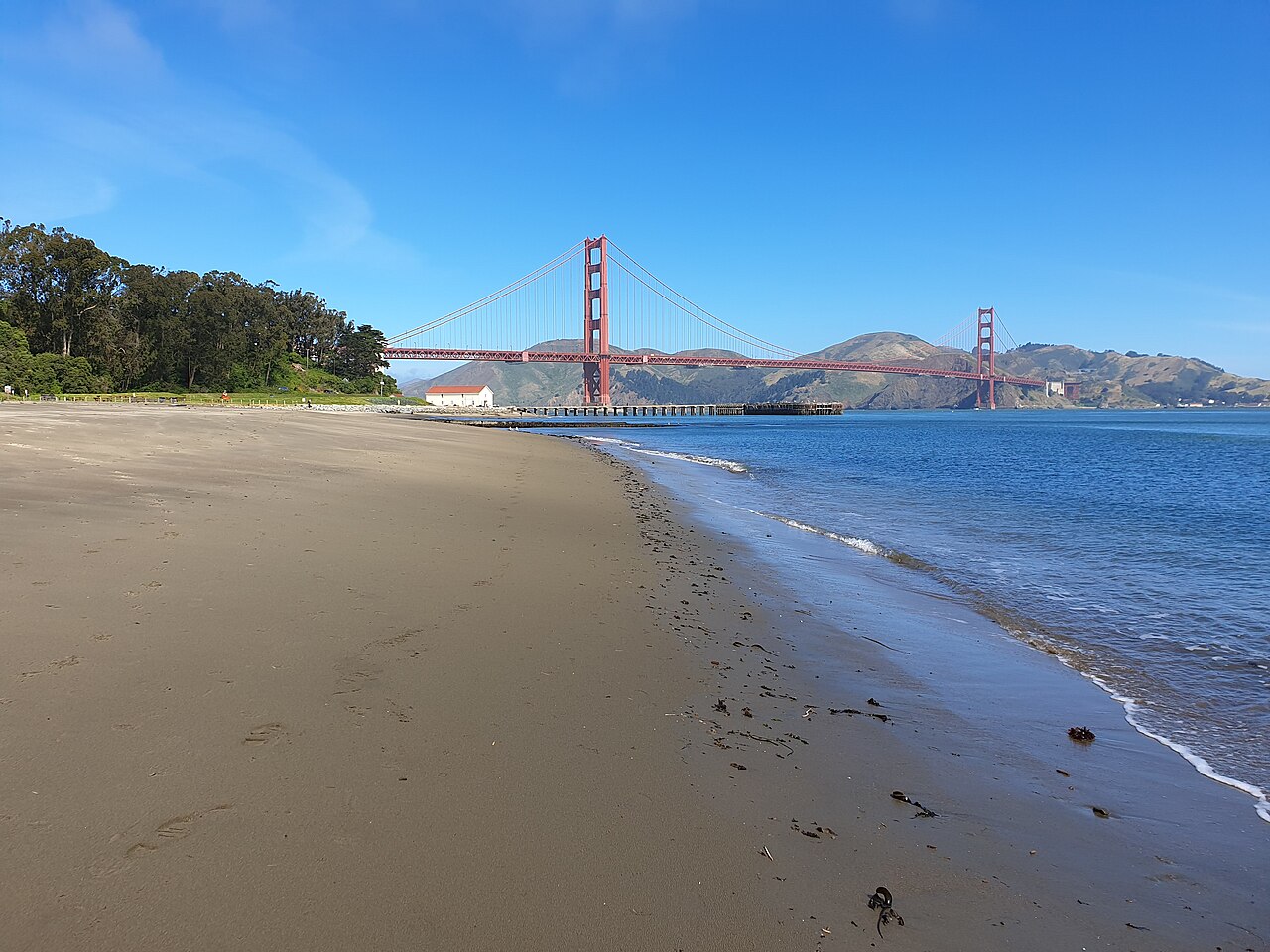
The Presidio's former military landscape, trails and views toward the Golden Gate make it easy to orient yourself by landmarks. For a delivery or move, give the driver the street address and the entrance the building actually uses. Confirm vehicle access and any gate or loading instructions with the property contact, especially if the shortest walking route differs from the truck route.
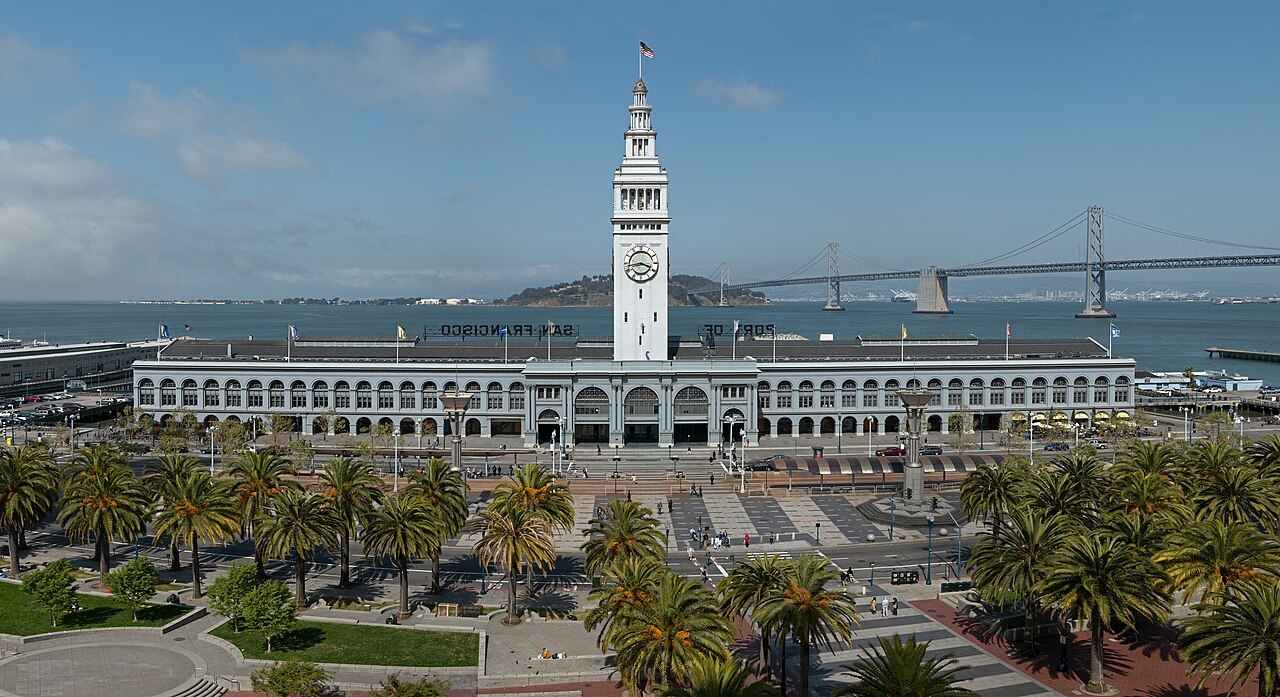
The ferry slips and market stalls make the Ferry Building both a transport landmark and a place to shop. Along the Embarcadero, the waterfront entrance you use on foot may be different from the one the building uses for deliveries. Ask for the service entrance address and reserve any loading and elevator time together. If you're moving from across the bay, allow for the building's arrival window when arranging the truck.
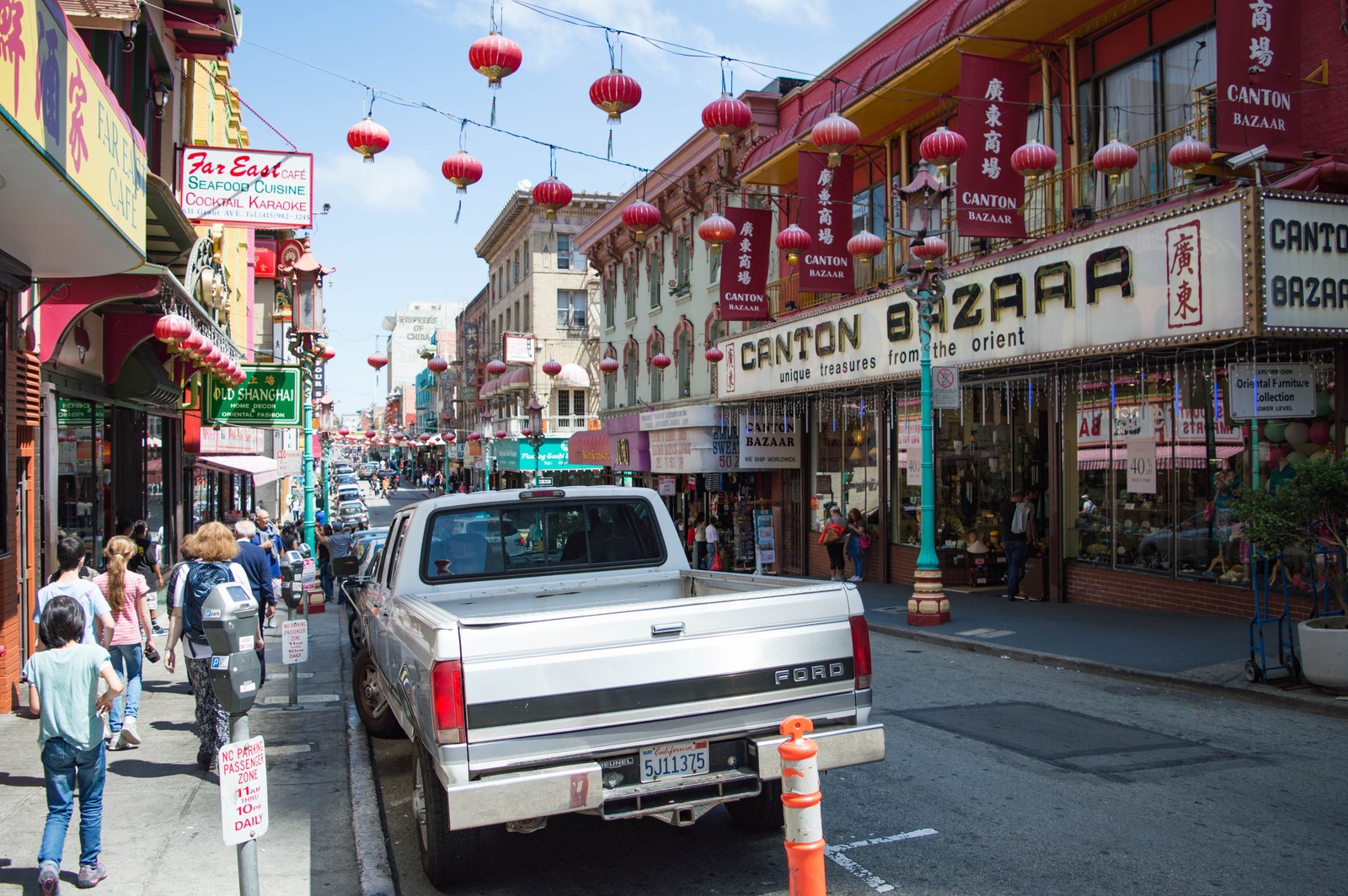
Around Portsmouth Square, shops, residences and public gathering spaces sit close together. Walk the route between your entrance and the nearest practical loading point at the time your crew expects to arrive. Mark steps and turns, and identify a place to stage boxes inside the property so the moving crew can share the sidewalk with neighbors and businesses.
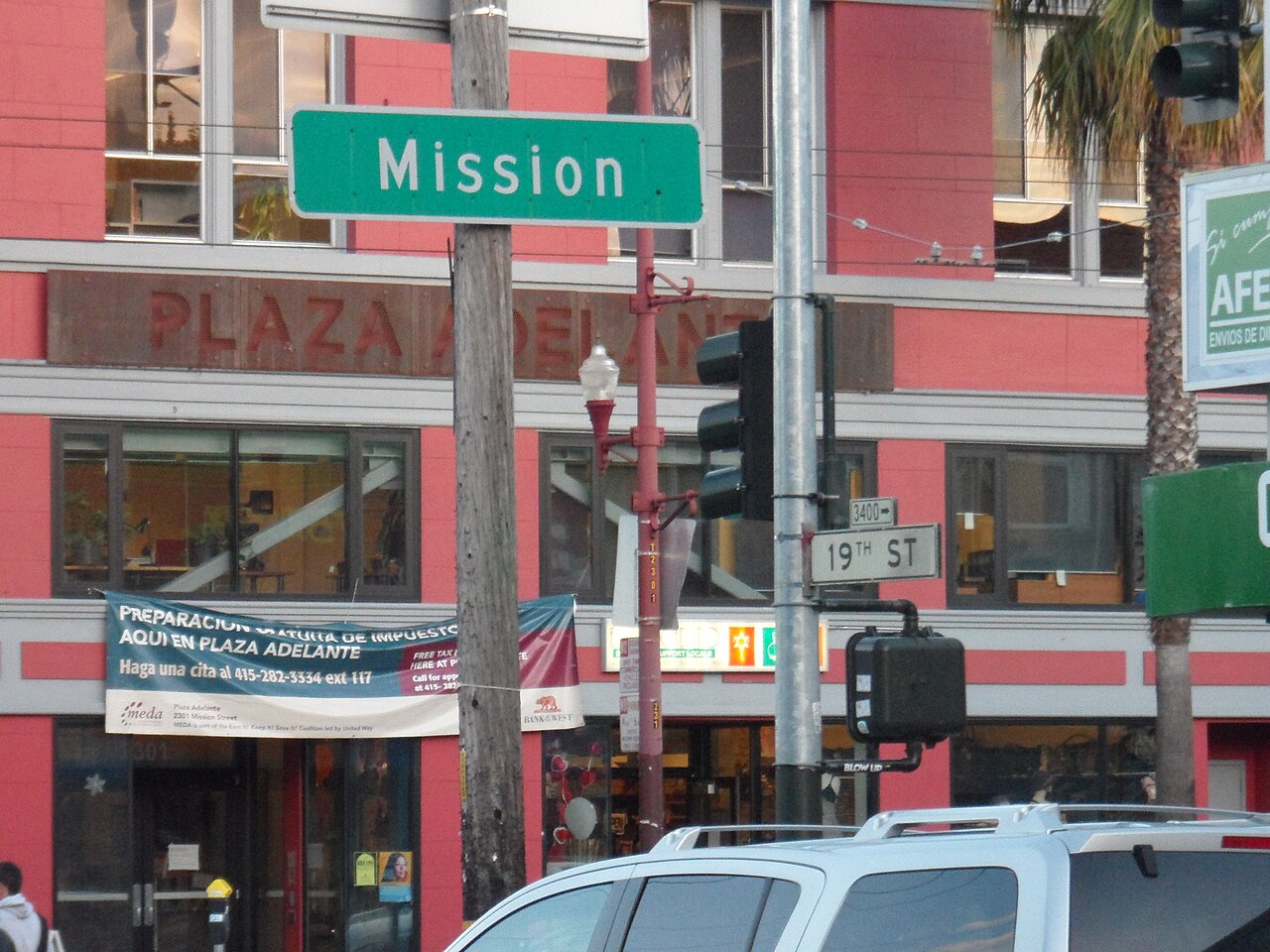
In the Mission, murals, local businesses and neighborhood gathering places shape the experience of a walk down the block. Think at the scale of your frontage when you plan the move. An apartment over a shop may have a separate entrance and narrow stairs. Show the crew that door in advance and agree on a carry route that keeps storefront access clear.
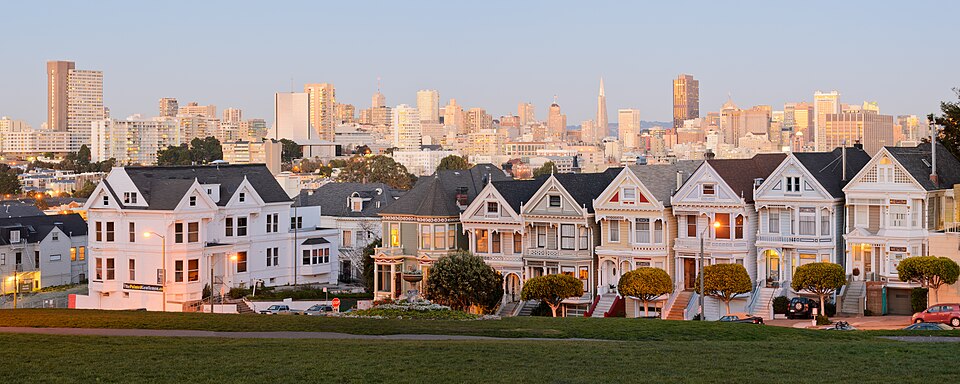
The houses on Steiner Street are a recognizable example of the older residential fabric around Alamo Square. If you're moving into an older flat nearby, use your own front steps, hall and landing to judge what will fit. Confirm whether railings or doors can be moved with permission, and discuss disassembly with the crew before relying on a large piece making the turn.
Use the authority responsible for each address and ask your building manager for current move-in instructions.
Create a browser-only itinerary without name, email, phone or street-address fields. No booking or lead is created.