
Start with your own property manager
Ask the Downtown, SoMa or Mission Bay property for its current written moving instructions. Find out who approves the loading position, whether a service elevator must be reserved, and which doors the crew may use. A neighbouring building’s arrangements do not establish the rules at yours.
A Certificate of Insurance is evidence of insurance information; it is not permission to occupy a street, a reservation for an elevator or a promise that every loss will be covered. Ask management and the mover to resolve the actual document requirements.

Send the wording before move week
If management requests particular insured names, limits or endorsements, send the original instructions to the mover. Ask who obtains the certificate, who checks it and when approval must be received. Do not invent certificate wording or assume the resident can amend an insurance document.

Walk the whole carrying route
Measure doorways, lift openings and turns from the approved unloading point to the unit. Check whether protective pads, floor coverings or access fobs need arranging. In a Richmond or Noe Valley building, assess the actual entrance rather than inferring access from the neighbourhood name.
Separate public loading from private approval
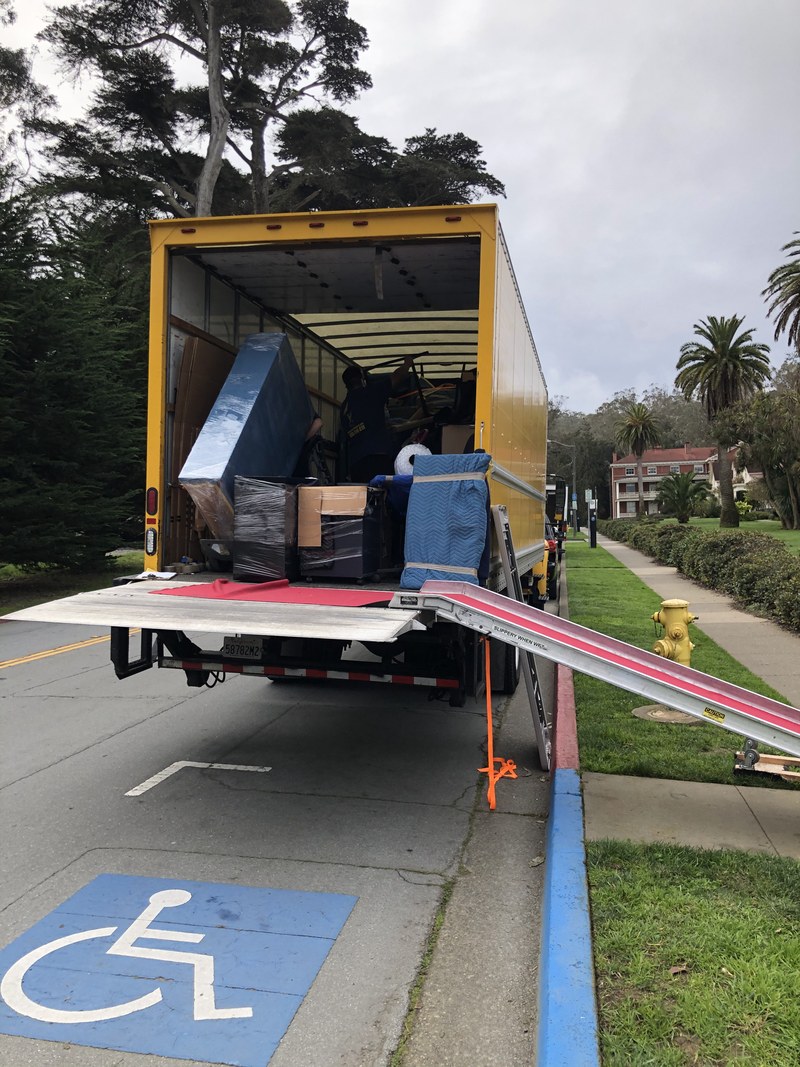
Building approval does not settle public-street rules. Ask the responsible municipality about the actual curb or street position and ask management about the private loading bay. Keep emergency access and accessible routes clear; do not rely on a truck fitting as proof it may stop there.

Agree what happens if access is delayed
Have a named building contact, a mover contact and an agreed response if the elevator is unavailable or paperwork has not been accepted. Discuss waiting time, a revised loading position and how changes would be documented before a delay happens.
Reconfirm both buildings
A destination condominium may use a different process from the origin apartment. Recheck the date, approved hours, lift booking, key handover and contact method at both ends. Keep your own copies available offline without uploading them to the anonymous planner.