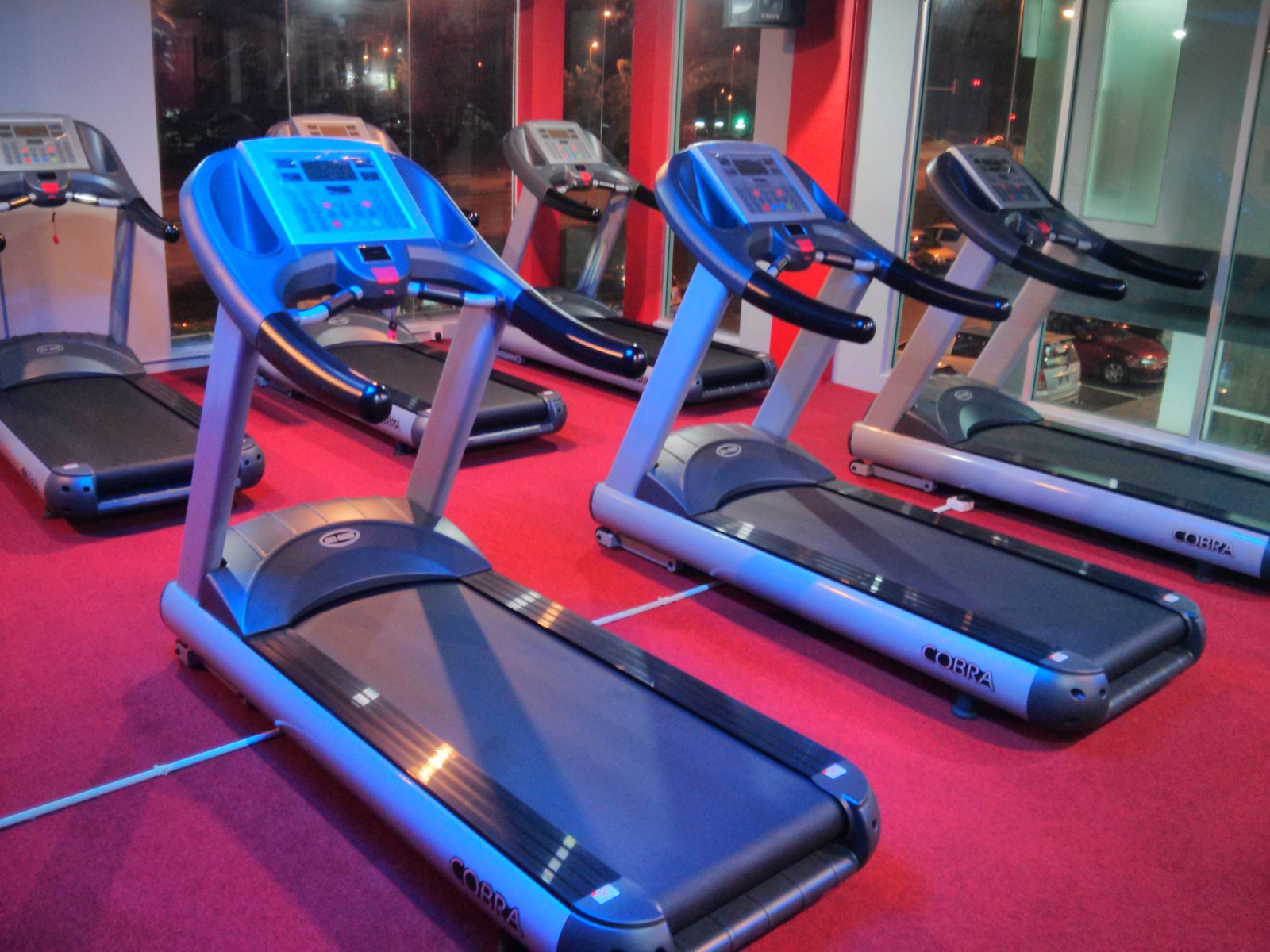

Start with the manufacturer’s instructions
Find the model, weight, dimensions and moving instructions. Ask whether disassembly or transport preparation needs a qualified technician. Do not rely on a folding frame or transport wheel as proof a machine can safely be taken down a staircase.

Describe the entire route
Measure the room exit, hall turns, stairs, elevator and destination position. For a SoMa apartment or Bernal Heights home, the property’s actual layout matters more than the neighbourhood label. Tell the mover about floor surfaces and any limited truck approach.
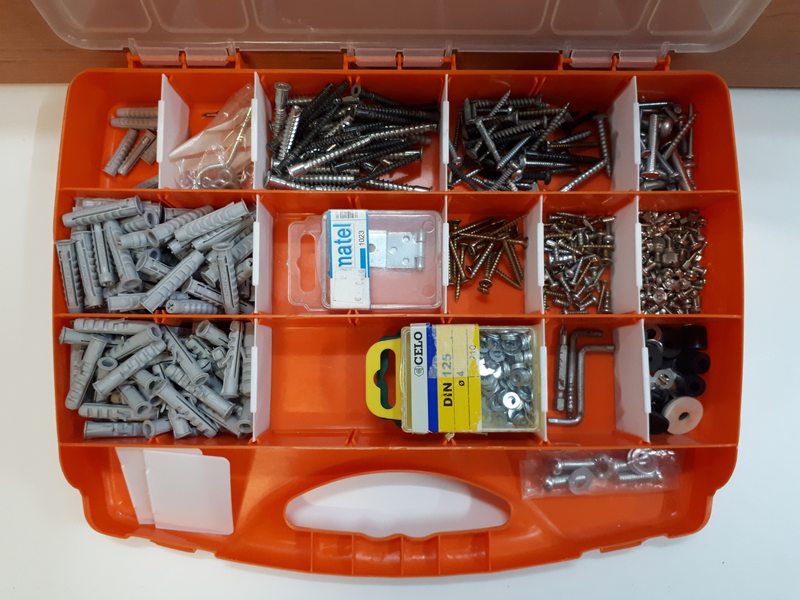
Keep weights and hardware controlled
Ask who removes plates, accessories, cables and fixings. Label approved removable parts and keep them with a clear equipment inventory. Do not improvise lifting or dismantling steps from a generic moving guide; use the manufacturer and the responsible specialist.
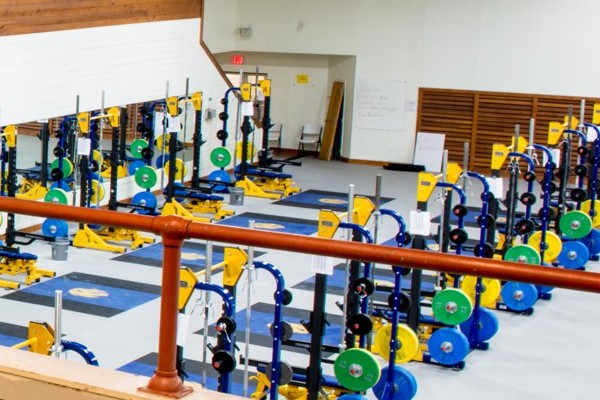
Agree reassembly and testing
State whether the proposal includes reassembly, positioning and any technician attendance. Ask who checks operation and what work is excluded. Keep manuals and warranty information separate from cartons so the right instructions are available at delivery.

Plan around rain, heat and electrical safety
Keep electrical equipment disconnected and prepared according to its instructions. Agree protection for rain exposure and time for safe setup at the destination. Check the San Francisco forecast and use professional advice for equipment that has been wet or damaged.
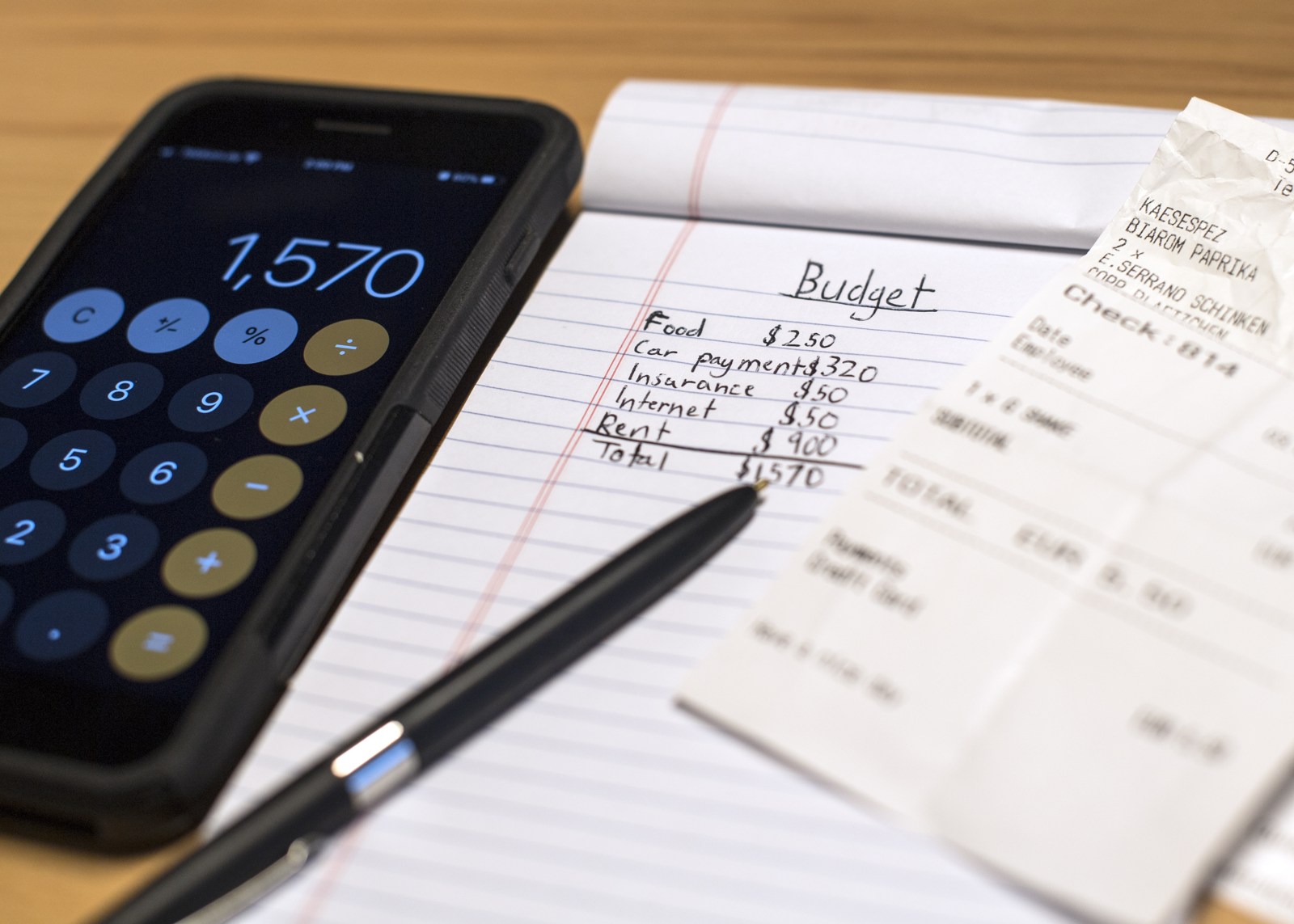
Compare proposals on the same scope
Give every provider the same model list, access description and service requirements. Ask what happens if a machine needs specialist help or cannot fit its planned route. Resolve those assumptions before the crew arrives.