
Flat-fee moving estimates in San Francisco

A flat-fee label is useful only when the written scope matches your move. Compare San Francisco proposals using the same inventory, access information, packing tasks and delivery expectations.

Private planning · no contact details requested
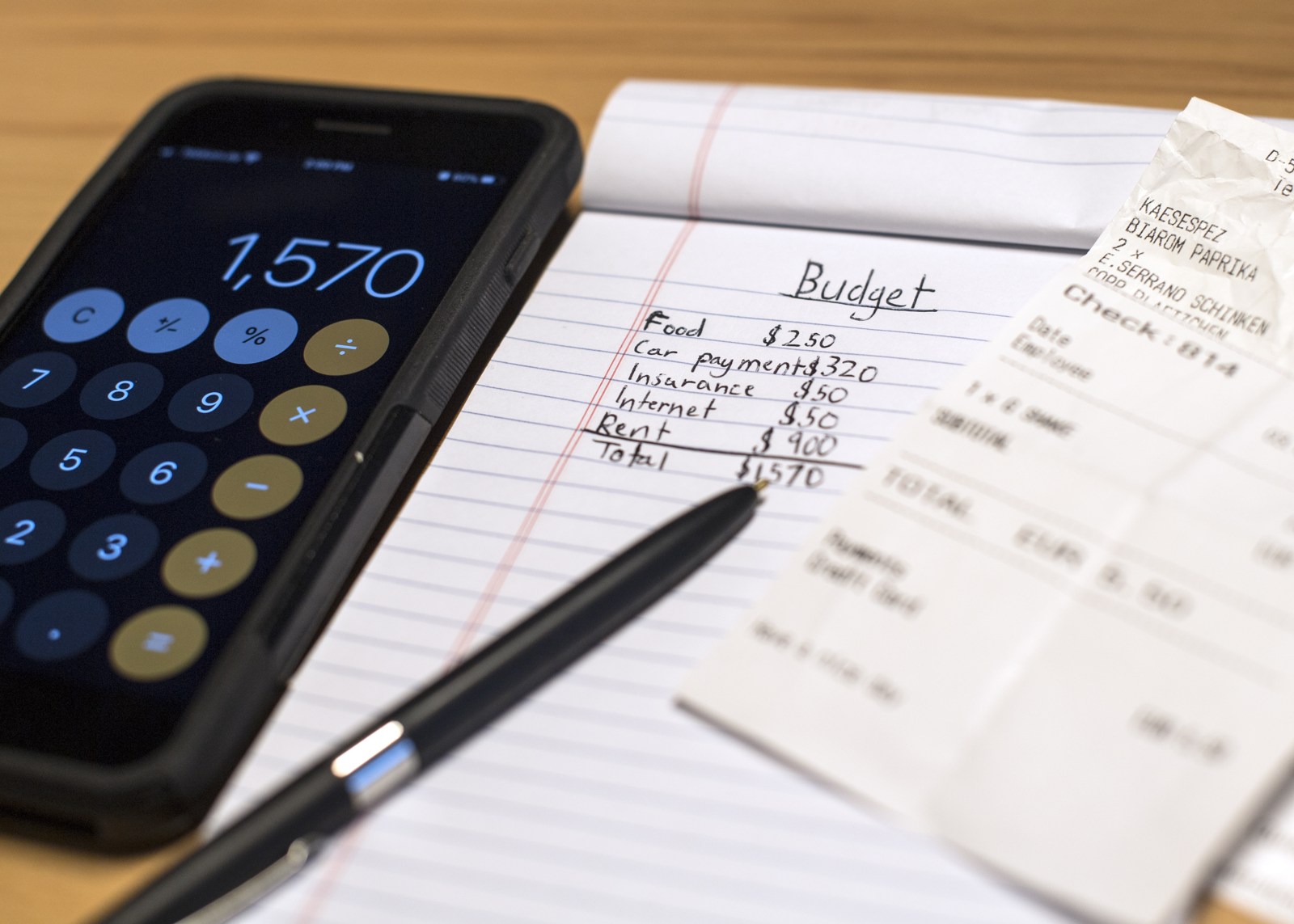
A household budget sheet, receipts and a phone using a basic calculator
General example: A household budget sheet, receipts and a phone using a basic calculator. Photo: Staff Sgt. Kirby Turbak / U.S. Air Force. Public domain — U.S. federal government work; source, licence and modifications
San Francisco moving preparation
Used cardboard moving cartons stacked in a household room
General example: Used cardboard moving cartons stacked in a household room. Photo: Boivie. CC BY 4.0; source, licence and modifications

Define the inventory first

Give each mover the same list of rooms, large furniture, cartons and special items. Explain what will already be packed and what needs professional work. A number written beside a vague description is difficult to compare with a detailed proposal.

Interior stairs and railings in a modern public building
General example: Interior stairs and railings in a modern public building. Photo: Reinhold Möller (Ermell). CC BY-SA 4.0; source, licence and modifications

Write down access assumptions

Describe stairs, elevators, carrying distance and the intended loading position at both properties. A Downtown apartment and a Sunset house may have very different carrying routes, but do not assume the neighbourhood determines the price. Ask how each actual condition affects the proposal.

A person handling a cardboard carton at a desk with packing materials, a computer and a window nearby
General example: A person handling a cardboard carton at a desk with packing materials, a computer and a window nearby. Photo: Bench Accounting benchaccounting. CC0 1.0; source, licence and modifications

Separate included work from optional services

Ask about packing materials, disassembly, crating, storage, waiting, additional stops and unpacking. Record who supplies each service and how a change would be approved. Do not infer inclusions from a service name or a website badge.

A person writing in a spiral notebook beside paperwork
General example: A person writing in a spiral notebook beside paperwork. Photo: Shixart1985. CC BY 2.0; source, licence and modifications

Read the change process

Ask which changes can alter the charge and how the mover records them. An added room of furniture or an unavailable elevator should not become a surprise discussion at the curb. The applicable contract and consumer rules depend on the move; review official guidance before signing.

Hands writing planning notes in an open notebook
General example: Hands writing planning notes in an open notebook. Photo: Shixart1985. CC BY 2.0; source, licence and modifications

Compare protection and delivery terms

Discuss valuation or insurance terms separately from the price headline. For an interstate move, review the written estimate type and delivery terms using FMCSA guidance. A flat-fee advertisement alone does not establish which legal estimate rules apply.

A person writing in a notebook at a table
General example: A person writing in a notebook at a table. Photo: PxHere. CC0 1.0; source, licence and modifications

Keep your own comparison record

Save the proposals, inventory, questions and accepted scope. Use the anonymous planner to organize access and packing choices, not to obtain a price. It does not calculate a moving quote, recommend a provider or submit an enquiry.

Official resources

Who to ask before moving day

Use the authority responsible for each address and ask your building manager for current move-in instructions.

Keep your preparation plan with you

Create a browser-only itinerary without name, email, phone or street-address fields. No booking or lead is created.

Build My Move Itinerary