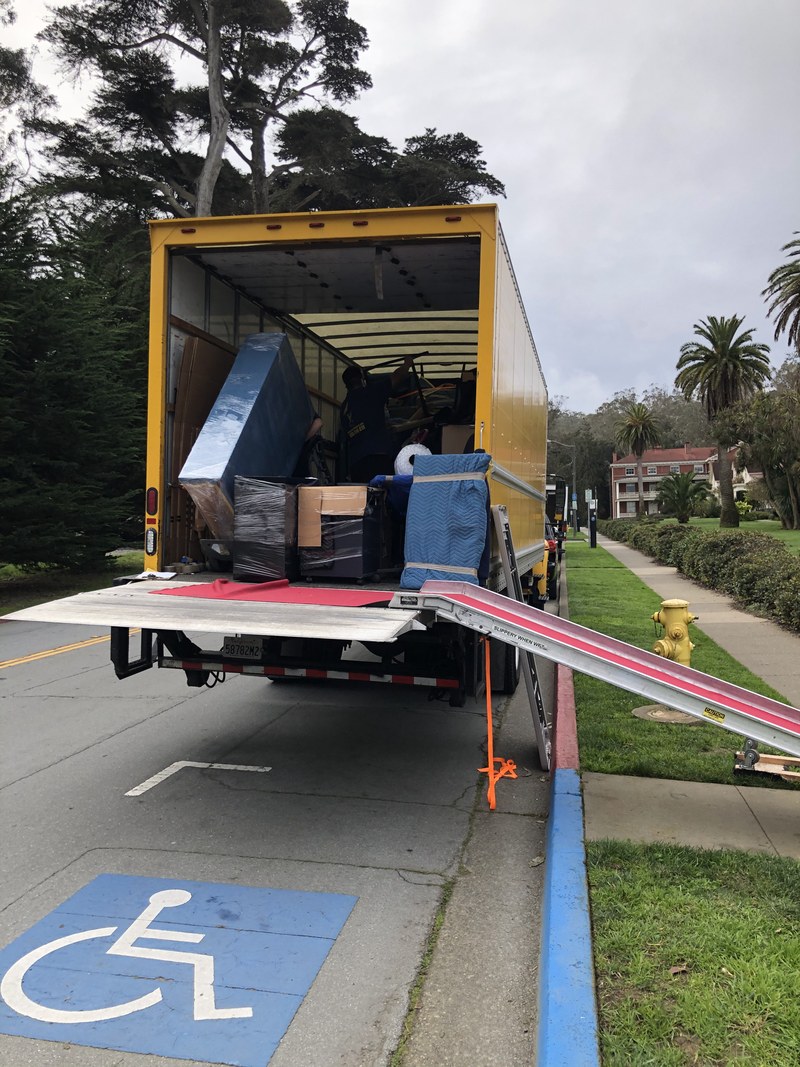
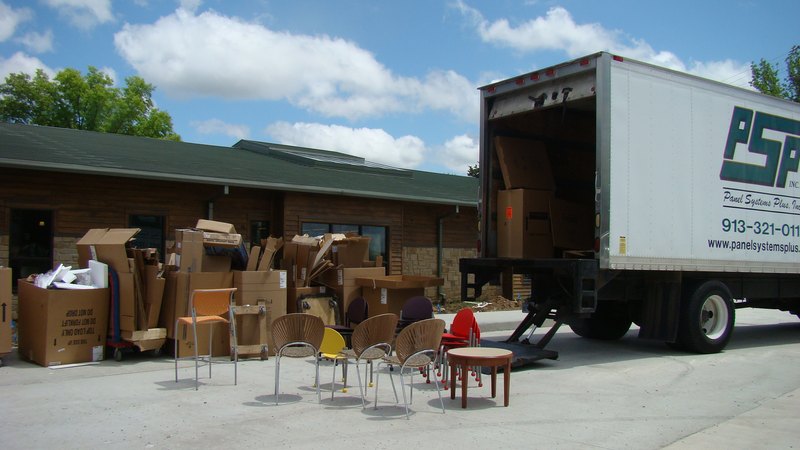
Identify the actual transport provider
Ask who will transport the goods, who is issuing the estimate and whether another company is arranging the move. Review FMCSA mover-versus-broker guidance and verify the business identity through the appropriate official resources before making a decision.

Use the right consumer guidance
A move within California and a move between states can fall under different requirements. Ask California’s household mover regulator about moves within the state, and consult FMCSA for interstate moves. Ask the agency or qualified adviser about an unusual arrangement rather than assuming mileage alone determines the rules.
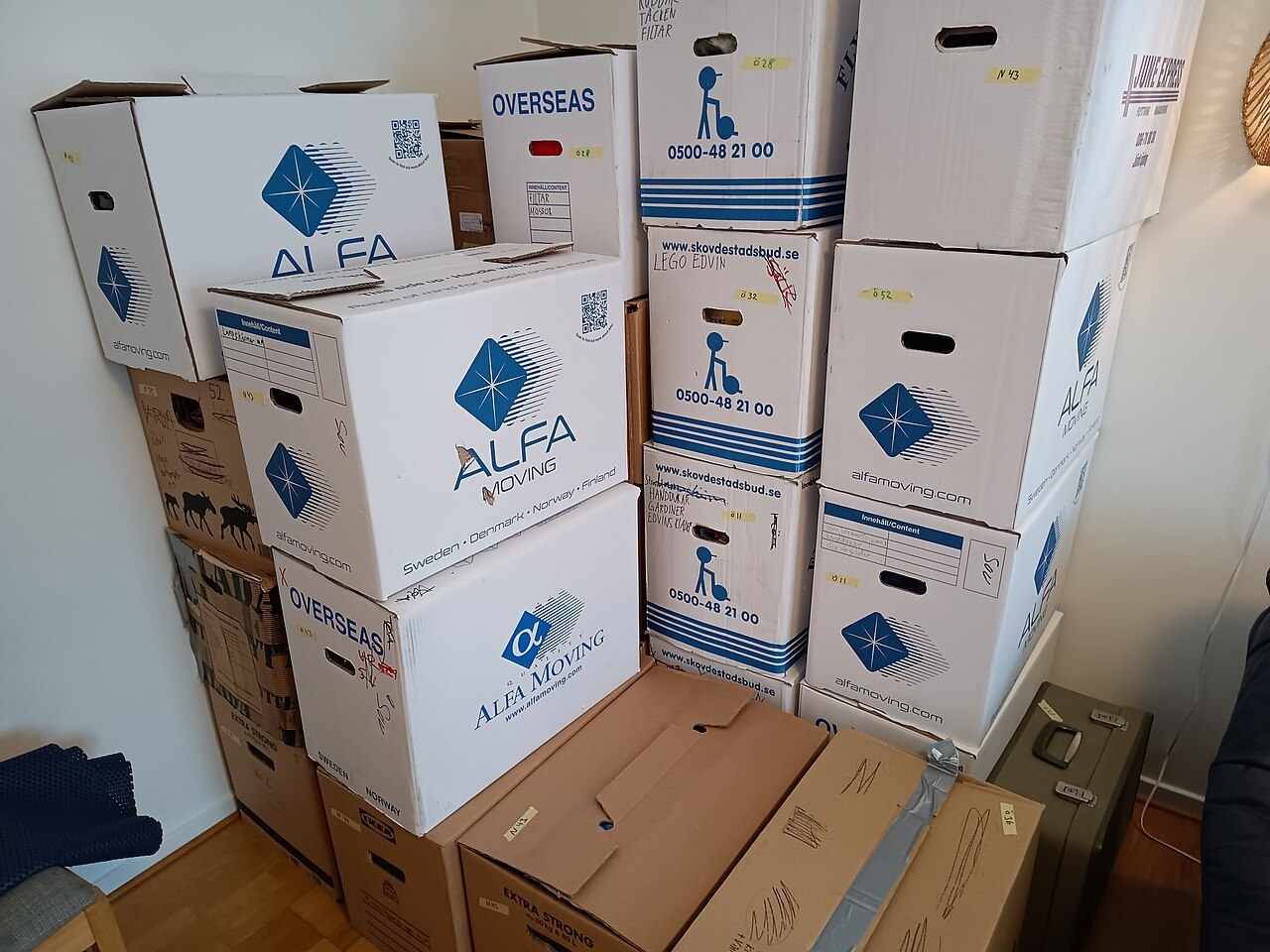
Describe the same shipment to every provider
Compare estimates using the same inventory, packing scope, storage needs and access conditions. Include stairs, carrying distance and special handling at both ends. Ask how estimate changes and additional services are documented.

Plan a delivery window you can receive
Discuss pickup and delivery terms, destination access, keys, building reservations and who will accept the shipment. Do not assume departure from San Francisco guarantees a particular arrival hour. If handover dates do not align, agree storage and redelivery details in writing.
Prepare for route and weather changes
Check current traffic and official weather information for the entire route. For a bridge crossing in San Francisco, let the responsible driver choose a legal route for the vehicle and check restrictions directly; do not infer truck suitability from a passenger-car map.

Keep paperwork available without the truck
Carry your estimate, inventory and relevant contact details separately. Know how to raise a question or report an issue through the applicable process. Save the anonymous itinerary as a personal preparation aid; it does not create a booking or submit a request to a mover.