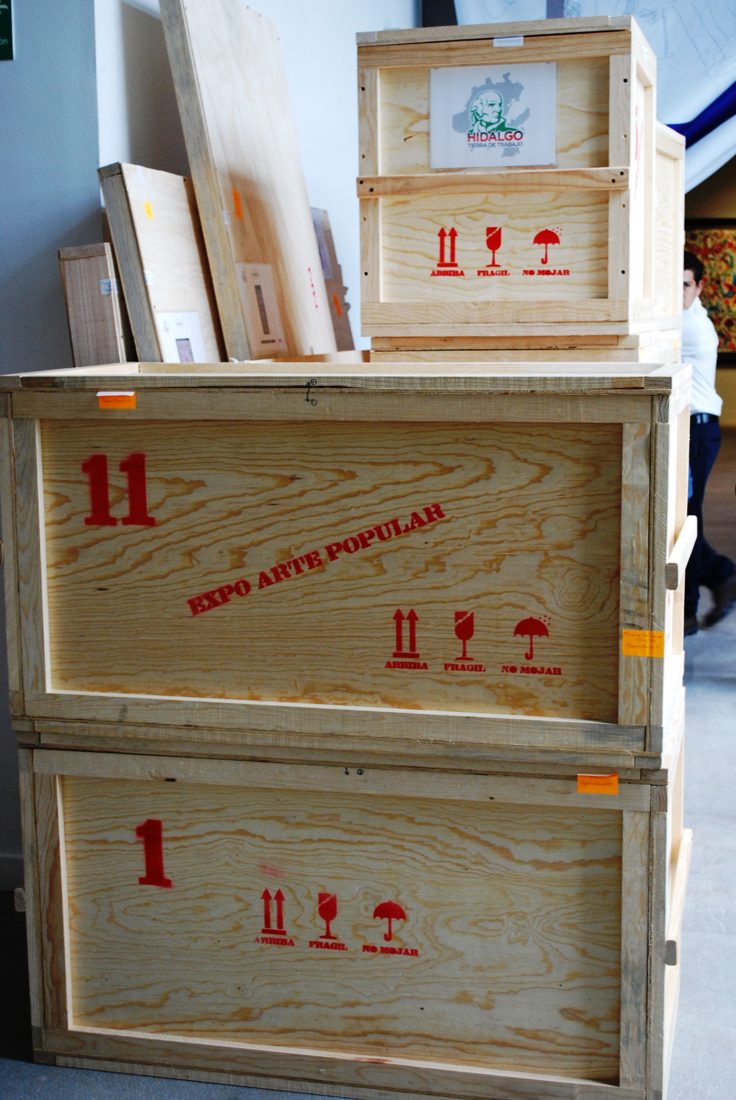

Identify the exceptions to ordinary packing
List artwork, instruments, electronics, antiques and fragile collections separately. Record size, material and existing condition. A general household inventory may not explain why one object needs a specialist assessment.
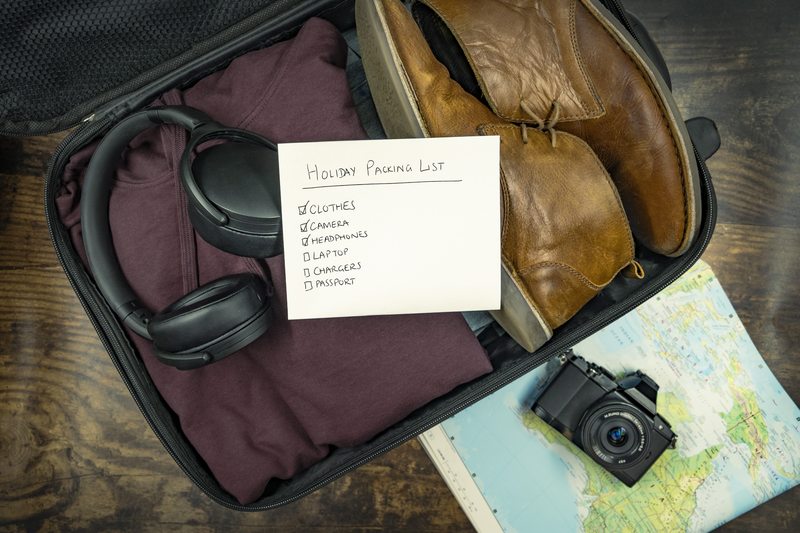
Keep personal essentials with you
Plan direct control of identity documents, medication, keys and the records you need for handover. Discuss valuables with your insurer and mover privately. The anonymous itinerary does not request names, street addresses, account numbers or the contents of a valuables list.
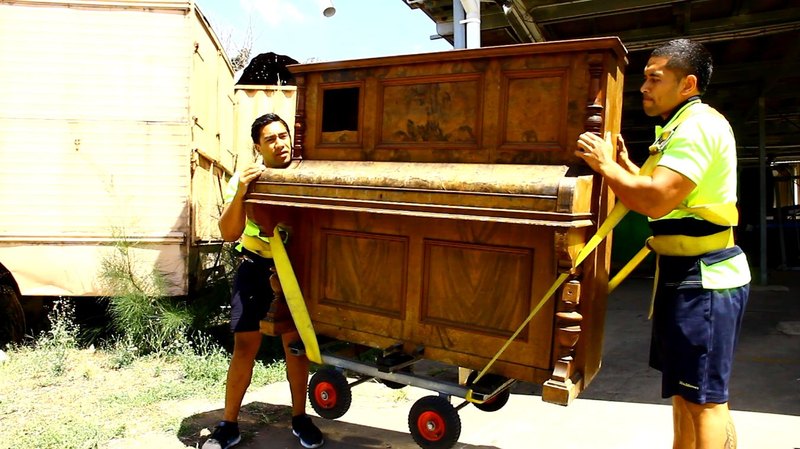
Get an item-specific handling plan
Ask who packs each object, which materials are used and whether a crate or technician is needed. Share the actual access route for the San Francisco properties. A loading dock, staircase or lift restriction can change the handling plan even when the transport distance is short.

Read protection terms before loading
Ask how declared value, owner-packed goods and pre-existing condition are addressed. Do not treat a certificate of insurance as a promise that your particular loss would be paid. Review the applicable state or interstate consumer guidance and resolve uncertainties in writing.
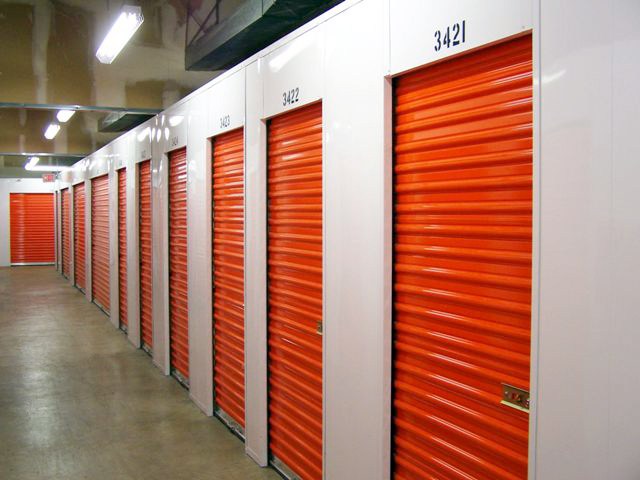
Plan for weather-sensitive belongings
Check the current forecast, minimize unprotected exposure and ask specialists about materials sensitive to heat or moisture. Ordinary transport should not be described as climate controlled unless that service is explicitly provided and documented.

Document receipt without rushing
Keep an inventory and condition record accessible at delivery. Follow the mover’s applicable reporting process if something is missing or damaged. Understand what you are signing; a delivery acknowledgement and a later claim process may serve different purposes.