

Crating art, glass and fragile items in San Francisco

A framed painting and a glass tabletop need different protection. Before a San Francisco move, decide who assesses each fragile item, who builds any crate and who is responsible for unpacking it.

Private planning · no contact details requested
Close view of transparent packing film with rows of round air-filled bubbles
General example: Close view of transparent packing film with rows of round air-filled bubbles. Photo: User Consequencefree on en.wikipedia. CC BY-SA 3.0; source, licence and modifications
San Francisco moving preparation
Etched drinking glass on a tabletop
General example: Etched drinking glass on a tabletop. Photo: Váradi Zsolt. CC BY-SA 3.0; source, licence and modifications

Make an item-by-item list

Record dimensions, weight if known, materials, detachable parts and existing condition. Photograph fragile pieces for your own records. Tell the mover about large mirrors, glazed artwork and unusually shaped objects before it prepares its proposal.
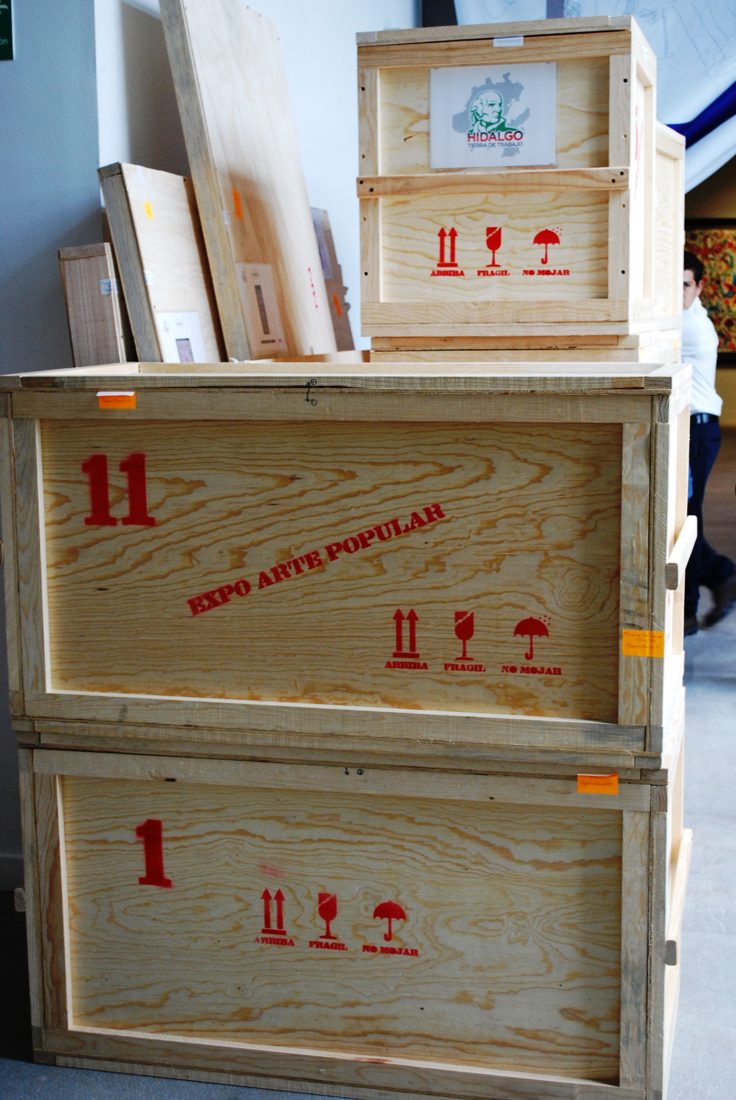
Wooden shipping crates with fragile-handling markings prepared for a museum exhibition
General art-shipping crate example: crates for an exhibition at the Museo de Arte Popular, Mexico City, 2011. Photo: Thelmadatter. CC BY-SA 3.0; source, licence and modifications

Ask when a crate is actually appropriate

A custom crate should be designed for the specific object, route and handling plan. Ask the specialist why it recommends a crate, how the item is restrained and which materials touch the surface. A generic box labelled fragile is not a substitute for an agreed packing method.
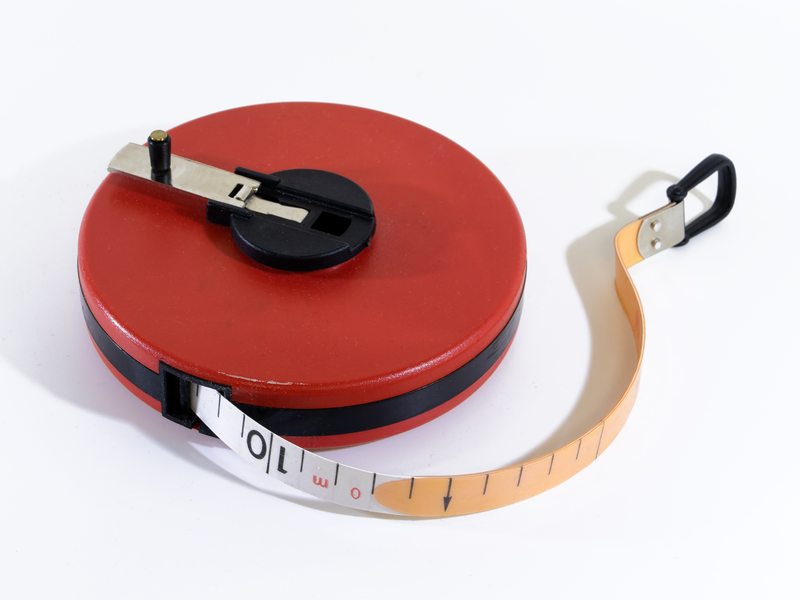
Red circular retractable measuring tape with an extended marked tape and metal end loop
General example: Red circular retractable measuring tape with an extended marked tape and metal end loop. Photo: W.carter. CC0 1.0; source, licence and modifications

Check San Francisco access before ordering the crate

Measure the finished crate as well as the unpacked object against doors, stairs and lift openings. For a condominium or apartment, check building access first. A crate that protects the item but cannot pass a landing creates a different problem on move day.
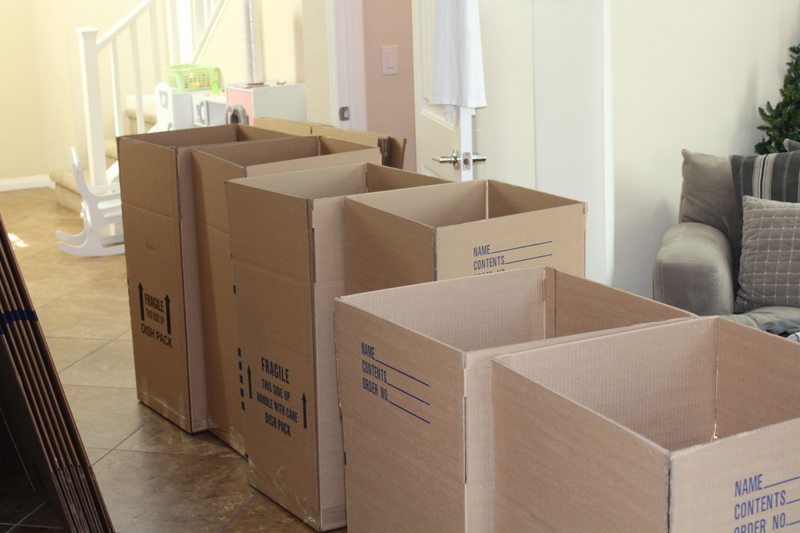
Open cardboard moving boxes with printed contents fields standing in a household room
General example: Open cardboard moving boxes with printed contents fields standing in a household room. Photo: MoveON moving. CC BY-SA 4.0; source, licence and modifications

Keep weather exposure short

Agree where packing and unpacking happen, how the load stays protected during rain, and how moisture-sensitive surfaces are handled. Check current San Francisco weather and ask the specialist about your particular materials; do not assume ordinary wrapping controls temperature or humidity.

A person writing in a spiral notebook beside paperwork
General example: A person writing in a spiral notebook beside paperwork. Photo: Shixart1985. CC BY 2.0; source, licence and modifications

Understand valuation and exclusions

Ask what the written protection terms say about owner-packed articles, pre-existing damage, specialist packing and declared value. Insurance, valuation and a manufacturer’s recommendation are different things. Resolve questions with the mover or insurer before work begins.

A person handling a cardboard carton at a desk with packing materials, a computer and a window nearby
General example: A person handling a cardboard carton at a desk with packing materials, a computer and a window nearby. Photo: Bench Accounting benchaccounting. CC0 1.0; source, licence and modifications

Plan delivery and unpacking

Specify who opens the crate, whether hardware or mounting is included and how debris is removed. Keep a condition record at delivery and follow the applicable written reporting process. Do not discard packing until you know whether it is needed for a concern.

Official resources

Who to ask before moving day

Use the authority responsible for each address and ask your building manager for current move-in instructions.

Keep your preparation plan with you

Create a browser-only itinerary without name, email, phone or street-address fields. No booking or lead is created.

Build My Move Itinerary