Before the truck arrives
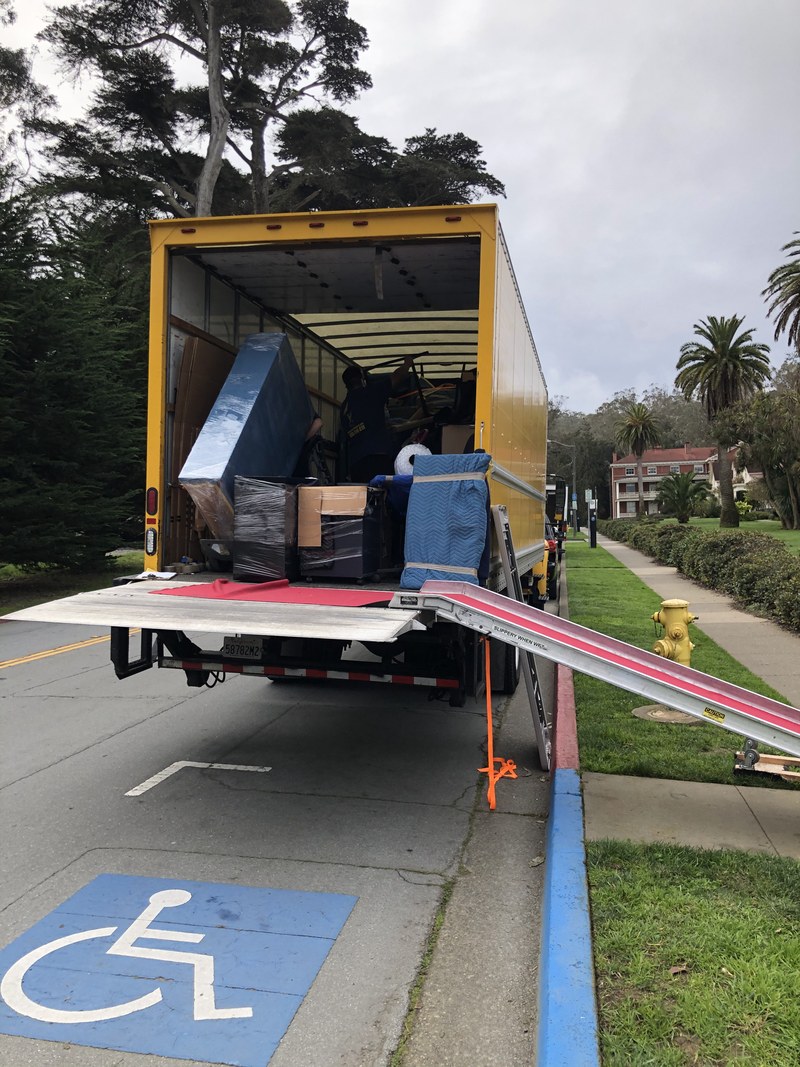
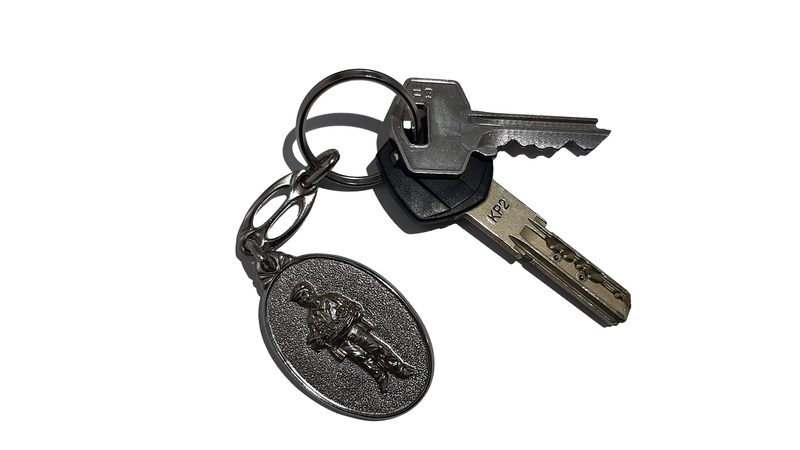
Keep the approved loading route clear and have keys, building instructions and a contact method ready. Make sure the agreed packing is finished and separate items that must stay with you. A reserved elevator and permission to use a public curb are different questions.
Walk through the inventory together
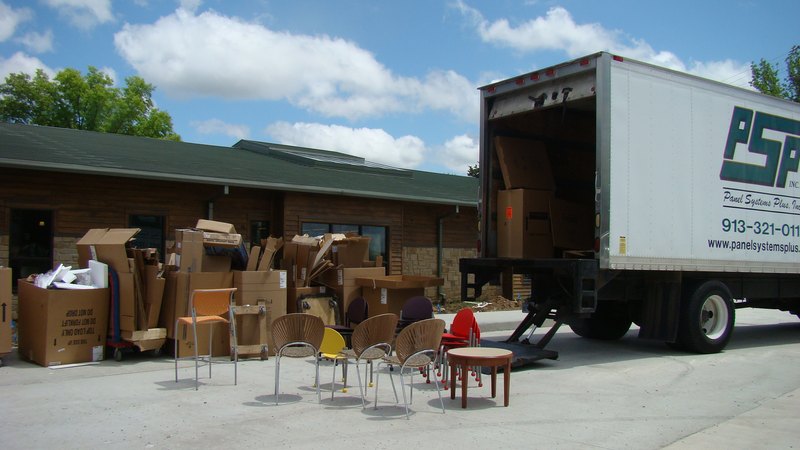
Point out items excluded from the move, fragile belongings, existing damage and agreed specialist work. Check that the actual scope matches the paperwork. Ask how any difference will be handled before loading starts.
Let the crew manage the handling area
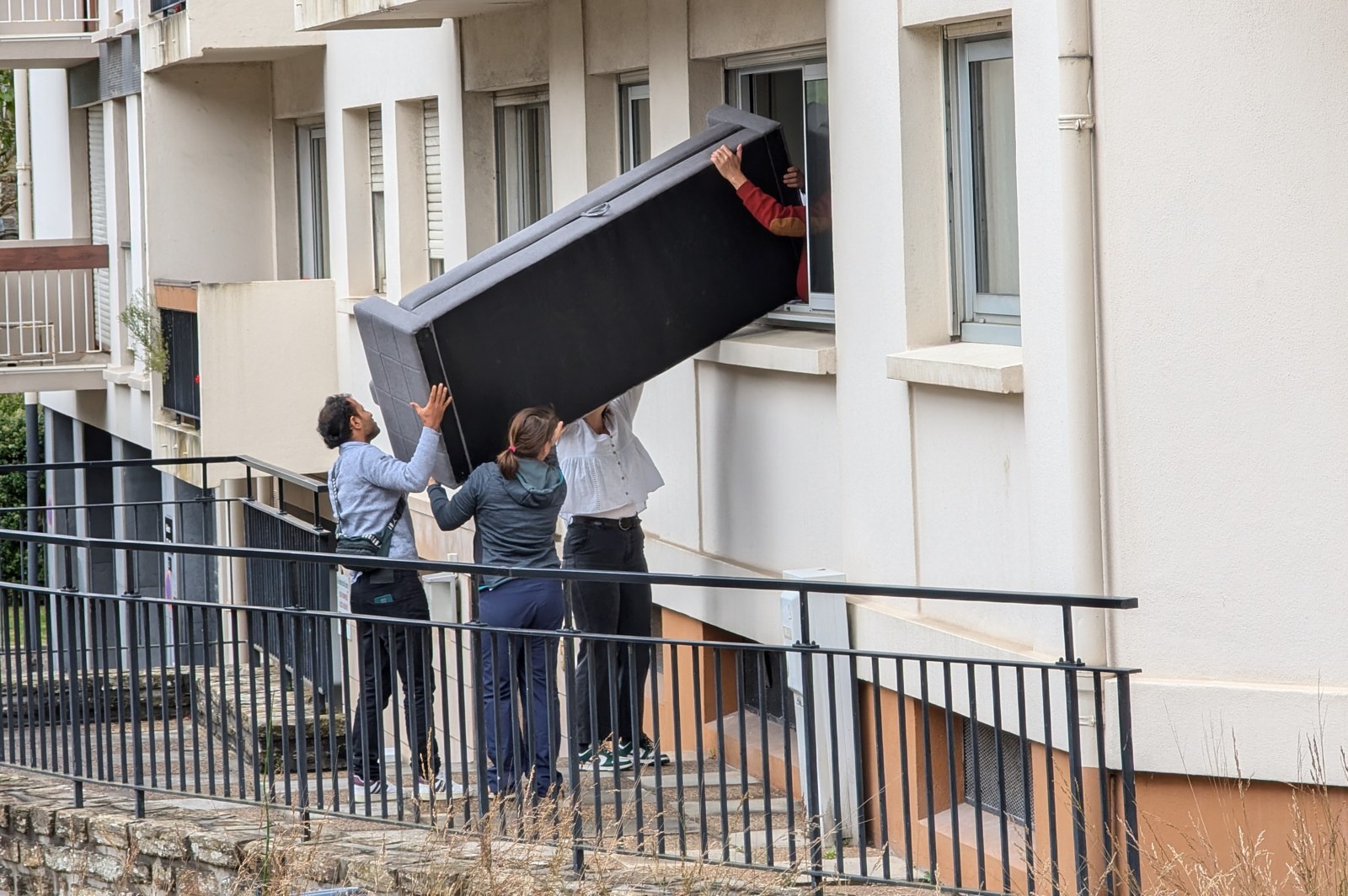
Keep children, pets and visitors away from the carrying route. Confirm floor and doorway protection and avoid placing loose cartons on stairs. Do not improvise heavy lifting beside the crew or suggest a truck position that blocks emergency access.
Use a safe weather decision
Review the local National Weather Service forecast and official local alerts. Agree who decides to pause, how belongings are protected and how the timetable will be updated. Do not drive through floodwater or treat a planned arrival time as more important than safe conditions.
Coordinate the destination before departure
Confirm that someone can open the property and receive the load. Recheck the planned route and any bridge crossing using current traffic information, with the driver responsible for vehicle legality. If the destination is outside San Francisco, confirm which authority handles access there.

Close the move with a deliberate handover
Check rooms, cupboards and agreed storage areas at the origin. At delivery, compare the inventory and condition record and understand any documents before signing. Keep relevant paperwork and follow the applicable written issue-reporting process.