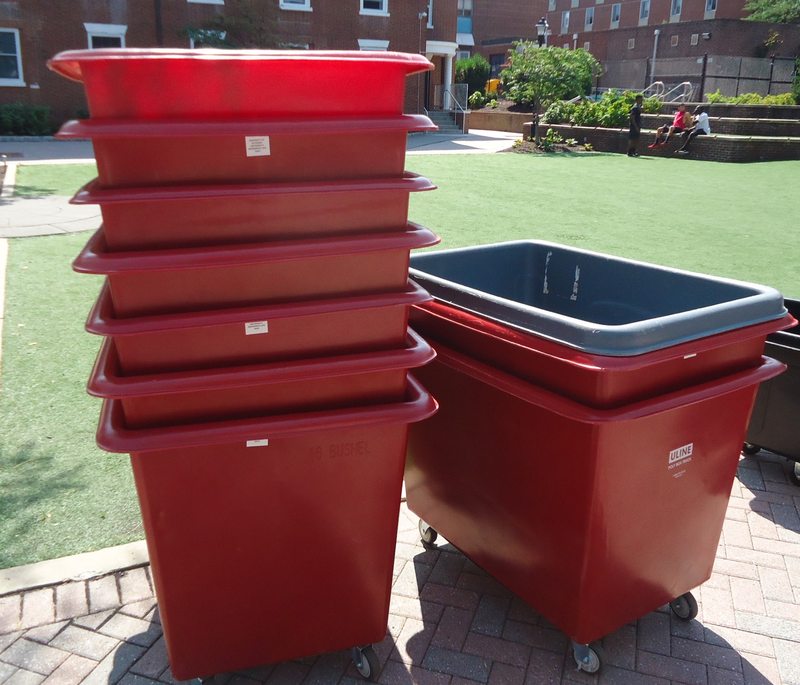

Reusable moving bins for San Francisco moves

Reusable bins can suit some moves, but a container choice should fit your inventory and timetable. Ask about the actual supply, use and return arrangements before packing a San Francisco household.

Private planning · no contact details requested
Large red reusable moving carts standing together outdoors at Rutgers University
General example: Large red reusable moving carts standing together outdoors at Rutgers University. Photo: Tomwsulcer. CC0 1.0; source, licence and modifications
San Francisco moving preparation
Etched drinking glass on a tabletop
General example: Etched drinking glass on a tabletop. Photo: Váradi Zsolt. CC BY-SA 3.0; source, licence and modifications

Choose by contents rather than appearance

Check the container dimensions, closure and handling guidance. A bin that fits light household goods may not suit books, fragile glass or a large appliance. Ask the mover whether its handling plan assumes a particular type or maximum packed weight.

A person writing in a spiral notebook beside paperwork
General example: A person writing in a spiral notebook beside paperwork. Photo: Shixart1985. CC BY 2.0; source, licence and modifications

Plan the return date before packing

If bins are rented, clarify delivery, collection, cleaning and late-return terms. Allow enough time for destination access and unpacking. A gap between two San Francisco properties can be a problem if the return commitment ends before you can open the containers.
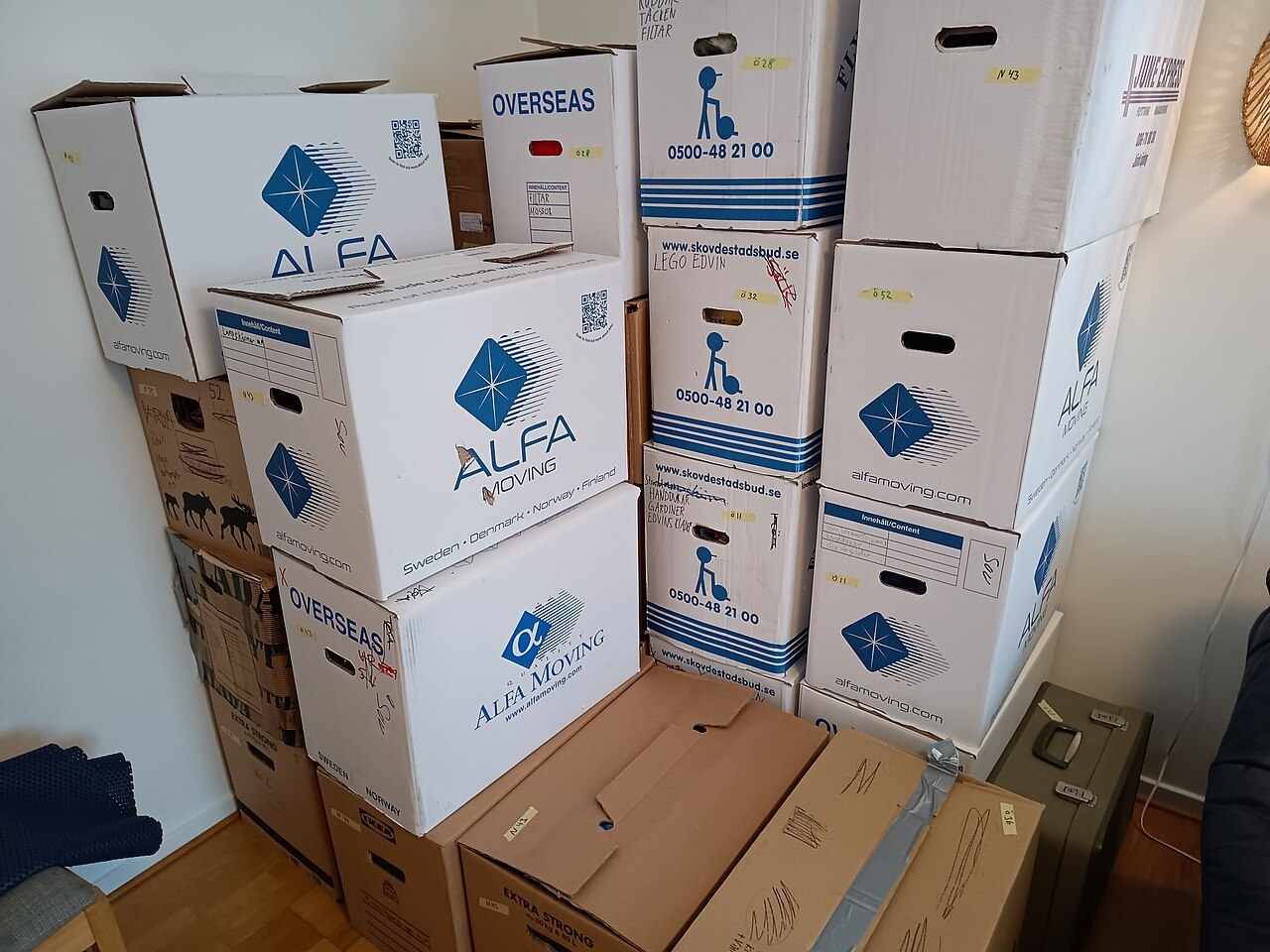
Used cardboard moving cartons stacked in a household room
General example: Used cardboard moving cartons stacked in a household room. Photo: Boivie. CC BY 4.0; source, licence and modifications

Keep labels useful and private

Label rooms and handling needs without displaying names, account details or sensitive contents. Use approved removable labels if the supplier requires them. Keep your own inventory separate from outward-facing markings.
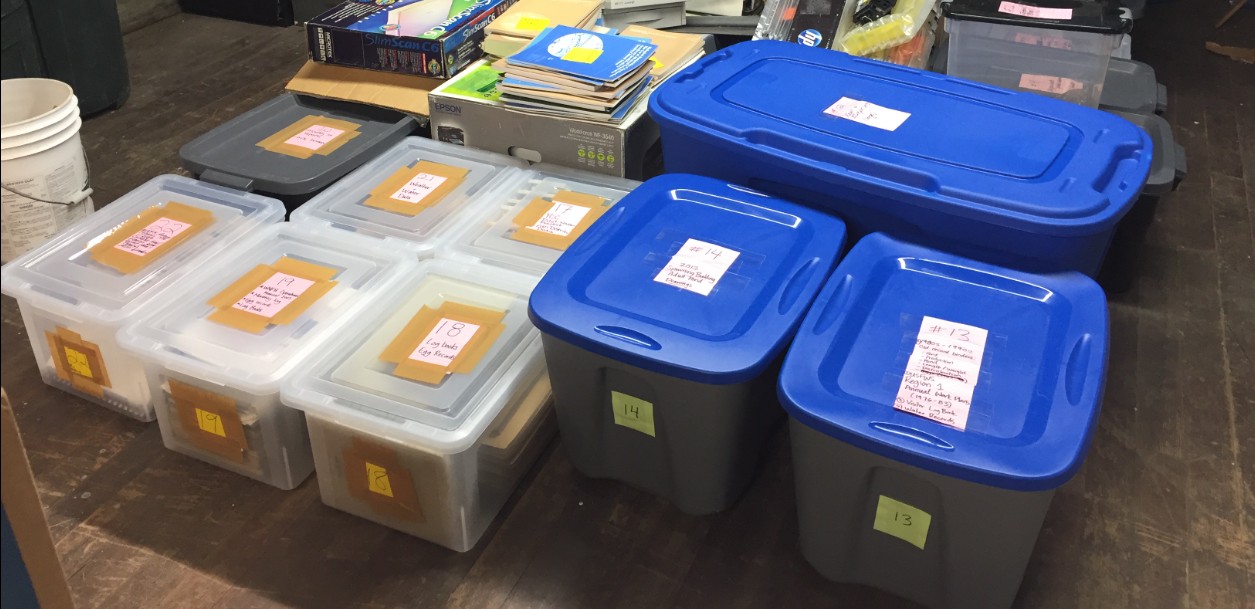
Lidded reusable plastic totes labelled for transporting paper records
General example: Lidded reusable plastic totes labelled for transporting paper records. Photo: Julia Pinnix / U.S. Fish and Wildlife Service. Public domain (U.S. federal government work); source, licence and modifications

Do not treat a lid as waterproofing

Ask how the bins and contents are protected during loading in rain. Keep sensitive belongings away from wet surfaces and follow any supplier instructions. San Francisco weather requires a contingency even when the container looks more robust than cardboard.
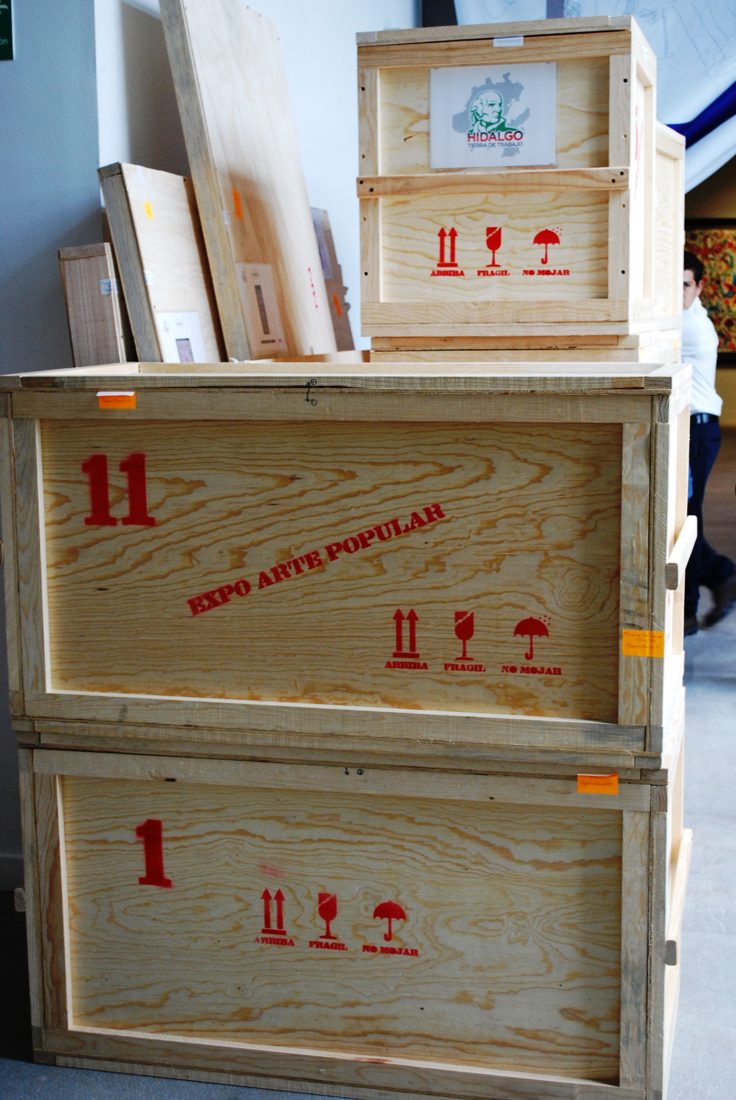
Wooden shipping crates with fragile-handling markings prepared for a museum exhibition
General art-shipping crate example: crates for an exhibition at the Museo de Arte Popular, Mexico City, 2011. Photo: Thelmadatter. CC BY-SA 3.0; source, licence and modifications

Mix container types when appropriate

Specialist cartons, crates or manufacturer packaging may be more suitable for some objects. Discuss artwork, electronics and instruments individually. Reusable bins are one packing tool, not evidence that every item can use the same method.
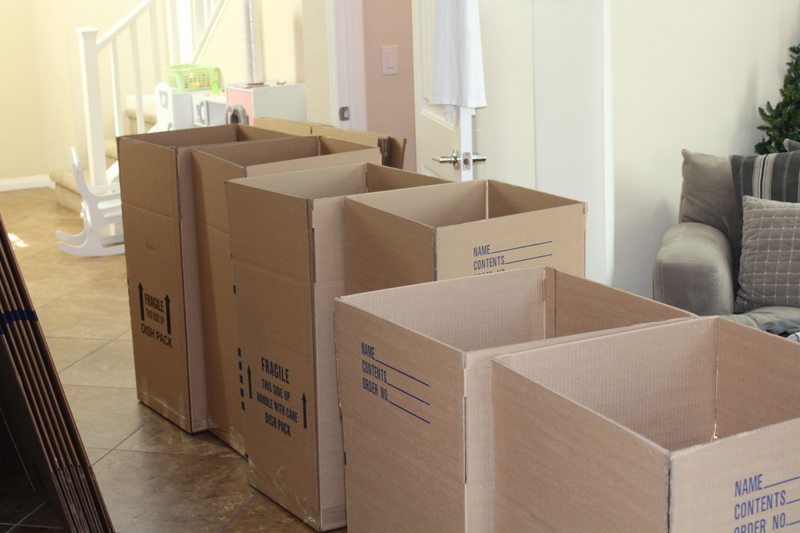
Open cardboard moving boxes with printed contents fields standing in a household room
General example: Open cardboard moving boxes with printed contents fields standing in a household room. Photo: MoveON moving. CC BY-SA 4.0; source, licence and modifications

Have a lawful cleanup plan

Confirm supplier return arrangements and current city guidance for materials that cannot be reused. Do not leave bins, packing waste or furniture at a shared collection point without checking the property and responsible collection service.

Official resources

Who to ask before moving day

Use the authority responsible for each address and ask your building manager for current move-in instructions.

Keep your preparation plan with you

Create a browser-only itinerary without name, email, phone or street-address fields. No booking or lead is created.

Build My Move Itinerary